


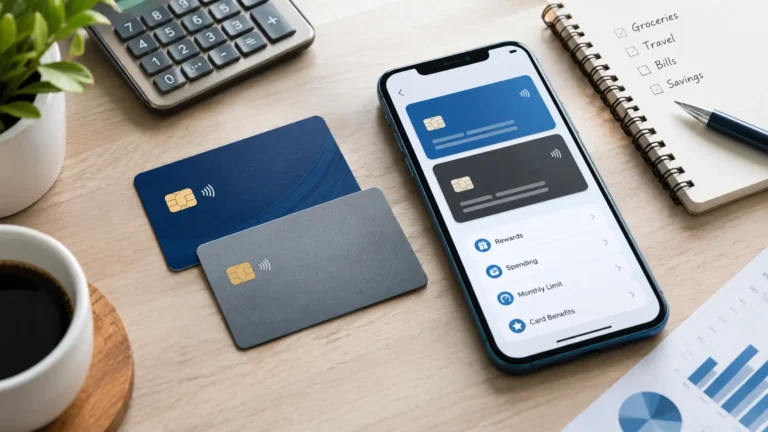
At some point, most credit card users hit the same question. Is it worth carrying two cards instead of one? Maybe your bank keeps offering you an upgrade, maybe a friend swears by their travel card, or maybe you’re just tired of missing out on rewards your current card doesn’t cover. Whatever the reason, this decision is worth thinking through properly rather than applying on impulse.
The Case for a Second Card
Having two credit cards can genuinely work in your favour, provided you use them with a bit of intention. Different cards tend to specialize in different things. One might give you better cashback on groceries and fuel, while another is built around travel points, airport lounge access or hotel discounts. Carrying both means you’re not stuck accepting mediocre rewards on categories where a different card would have paid off better.
There’s also a practical safety net angle. If one card gets blocked, lost, or flagged for fraud, having a second one means you’re not left completely stranded while the issue gets sorted out. That alone has saved plenty of people from an awkward situation at a checkout counter or during travel.
A second card can also help build your credit profile, assuming you manage both responsibly. Lenders generally like to see that you can handle multiple credit lines without missing payments or maxing them out. Over time, this can work in your favour if you’re planning to apply for a loan or a bigger credit line down the road.
Where It Can Get Tricky
None of this means a second card is automatically the right move for everyone. The most obvious risk is simply losing track of things. Two cards mean two due dates, two statements, and two sets of terms and conditions to stay on top of. If you’re someone who already finds it a bit of a juggle to manage one card responsibly, adding a second one without a clear system in place can quickly turn into missed payments or unnecessary interest charges.
Annual fees are another factor worth weighing. Some cards come with fees that only make sense if you’re actually using the rewards and perks attached to them. If a second card is going to sit in your wallet mostly unused while still charging you a yearly fee, it’s probably not doing you any favours.
There’s also the temptation factor. Having access to more available credit can sometimes lead to spending that wouldn’t have happened otherwise, simply because the limit is there. This is less about the card itself and more about being honest with yourself about your spending habits before you add another one to the mix.
So, Should You Get a Second Card?
The honest answer is that it depends on your habits, not just the perks on offer. If you’re someone who pays off your balance in full every month, keeps track of due dates without much trouble, and can see a clear, practical reason for the second card, whether that’s better rewards, backup access, or building credit, it can genuinely work in your favour.
On the other hand, if managing one card already feels like enough of a responsibility, or if you’re considering a second card mainly because of the sign up bonus rather than any real ongoing benefit, it might be worth holding off for now.
Also Read: Best Stocks to Buy This Month
Here are the Top 10 Best Fuel Credit Cards That Actually Save You Money in 2026
This isn’t financial advice, just a general breakdown of the factors worth thinking through. Since everyone’s income, spending habits, and financial goals look different, it’s worth taking a closer look at your own situation, or speaking with a financial advisor before deciding whether a second credit card actually makes sense for you.