


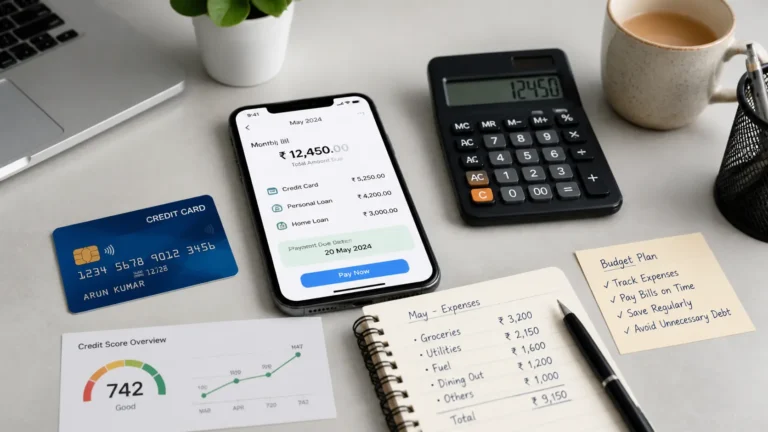
Getting your first credit card can feel genuinely exciting. Suddenly you can shop, pay bills online, book travel, and handle unexpected expenses without having to pull the money straight out of your bank account.
But there is another side to credit cards worth understanding before you dive in. The money sitting on a credit card is borrowed money, and spending more than you can actually repay can quickly turn into expensive debt.
That is why it is worth taking a bit of time to understand how a card actually works before applying for one. The right card can be genuinely useful, but only once you know what it costs you and use it within your own budget.
1. Understand All the Fees and Charges
The first thing worth checking is what it actually costs to own the card. Do not just look at the rewards or the welcome offer.
Credit cards can come with joining fees, annual fees, late payment charges, cash withdrawal fees, and other service-related costs. Some cards also have conditions attached before the annual fee gets waived.
Before you apply, go through the card’s fee structure carefully. A card with a higher annual fee can still make sense if you actually use its benefits regularly, but there is little point paying for perks you rarely touch.
2. Know Your Credit Limit
Your credit limit is simply the maximum amount your card issuer lets you spend. A high limit can be useful, but it does not mean you should be spending anywhere close to that amount every month.
Say your credit limit is ₹1 lakh. Spending ₹90,000 of that just because the money is technically available can put unnecessary pressure on your finances. It can also push up your credit utilisation, which is not exactly great for your credit profile either.
Instead, think of your credit limit as a safety boundary rather than a spending target. Keep your regular spending comfortably within what you can actually repay.
3. Pay the Bill on Time
Also Read: Best Stocks to Buy This Month
This is genuinely one of the most important credit card habits you can build.
Your statement comes with a payment due date, and missing that deadline can bring late fees, interest charges, and potentially some negative marks on your credit report.
The easiest way to avoid this is to set up reminders or an automatic payment instruction. Even more important, though, is keeping enough money in your bank account to actually cover the payment when it is due.

4. Try to Pay the Full Bill
Credit card statements usually show both a total amount due and a minimum amount due. That minimum can make the bill look a lot more manageable than it really is, but paying only that amount can end up costing you a lot.
The remaining unpaid balance keeps attracting interest, and it can take a surprisingly long time to clear. If you keep making new purchases while only paying the minimum, that debt can pile up even faster.
Wherever possible, pay the full statement balance by the due date. It is honestly one of the simplest ways to use a credit card without letting interest costs quietly build up on you.
Related Article: Can an 18+ Student Open a Demat Account?
5. Choose a Card That Matches Your Spending
There is no single credit card that works perfectly for everyone.
Some cards focus on cashback, others give reward points, travel perks, fuel-related offers, or discounts on specific purchases. What works best really depends on where you actually spend your money.
If most of your spending goes toward groceries and everyday shopping, a cashback-focused card is probably more useful. If you travel a lot, a card built around travel rewards or benefits might make more sense.
Try not to pick a card just because a friend recommended it. Look at your own spending habits first.
6. Look Beyond the Welcome Offer
Credit card companies often lean on attractive joining bonuses, discounts, and reward offers to hook new customers. These can be genuinely useful, but they should not be the only reason you pick a card.
Check how the reward system actually works once the introductory offer wears off. Look at redemption rules, expiry conditions on rewards, spending requirements, and the annual fee.
A card that hands you a big welcome bonus but offers little value for your everyday spending might not be the best choice once you look further down the road.
7. Understand Your Billing Cycle
Your billing cycle is simply the period during which your purchases get recorded before your card statement is generated.
Getting a handle on your statement date and payment due date can genuinely help you manage your monthly cash flow. It also makes it a lot easier to know when a particular purchase is going to actually show up on your bill.
Keep an eye on both dates rather than just focusing on the due date. Once you understand your card’s cycle, managing your monthly expenses gets a lot easier.

8. Be Careful With Cash Withdrawals
Most credit cards let you withdraw cash from an ATM, but that does not mean it is a good idea for everyday spending.
Cash advances often come with extra fees and interest charges, and in a lot of cases, they end up considerably more expensive than a normal card purchase.
Unless you are genuinely dealing with an emergency and know exactly what the charges look like, it is better to steer clear of using your credit card for cash withdrawals.
Related Article: Should You Link Your Bank Cards to Your Phone?
9. Do Not Collect More Cards Than You Can Manage
Having several credit cards is not automatically a bad thing. Plenty of people use different cards for different types of spending and different benefits.
The problem starts when managing all of them becomes a headache. Multiple statements, different due dates, and different fee structures can make it a lot easier to accidentally miss a payment.
Start with a card that genuinely fits your needs and only add another when you have a clear reason for it. More cards do not automatically mean better finances.
10. Avoid Spending Just to Earn Rewards
Reward points and cashback can be genuinely useful, but they should never become a reason to spend money you were not planning to spend in the first place.
For example, buying something worth ₹10,000 just to earn a handful of reward points makes little financial sense if you did not actually need the item.
Rewards are only useful when you were going to make the purchase anyway. Your spending should always come first, with the rewards as a nice bonus on top.
11. Keep an Emergency Fund
One of the safest ways to steer clear of credit card debt is simply having money set aside for the unexpected.
An emergency fund can help you handle sudden expenses without immediately reaching for your credit card. Even a small amount saved regularly can give you some real breathing room when something unexpected comes up.
Ideally, work toward building an emergency fund that can cover several months of essential expenses. That gives you another layer of financial security and cuts down your dependence on borrowed money.
12. Treat Your Credit Card Like Your Own Money
This might be the simplest rule of all to remember.
Just because your card has a ₹1 lakh limit does not mean you actually have ₹1 lakh to spend freely. Your real spending limit should be based on your income, your savings, and your genuine ability to repay the bill.
Before making a big purchase, ask yourself whether you could comfortably pay for it once the bill actually arrives. If the answer is no, it might be better to wait.
Related Article: Pay Early or Wait Until the Due Date for Credit Card Bill Payment?
A credit card can be a genuinely useful financial tool once you understand how it actually works. It can make payments more convenient, hand you some rewards along the way, and help you build a responsible credit history over time.
The trouble starts when it becomes a way to spend money you do not actually have. Understand the fees, keep your spending in check, pay your bills on time, and try to clear the full balance every single month.
Used with a bit of discipline, a credit card can genuinely work in your favour. Used without a plan, it can turn a handful of small purchases into a debt that becomes a lot harder to manage down the line.