


Baking cakes at home for friends is fun. Getting paid for those same cakes is even better. And right now, 2026 is honestly one of the best times to start your bakery business from home.
Across India, thousands of home bakers are doing exactly that — taking orders on WhatsApp and Instagram and running real businesses from their own kitchens.
The best part? You don’t need a shop, staff, or a big loan to begin. With around ₹50,000 to ₹1 lakh, a decent oven, and a few recipes you’ve perfected, you can take your first paid order within a month. And thanks to new FSSAI rules that came into effect in April 2026, the paperwork is now simpler and cheaper than ever.
This guide covers everything you need — the types of bakeries you can start, the exact licenses required, how much money it takes, what equipment to buy, how to price your products, and how to get your first customers.
Types of Bakeries You Can Start
Before spending a single rupee, decide what kind of bakery you want to run. Each type needs a different level of investment and effort.
1. Home Bakery
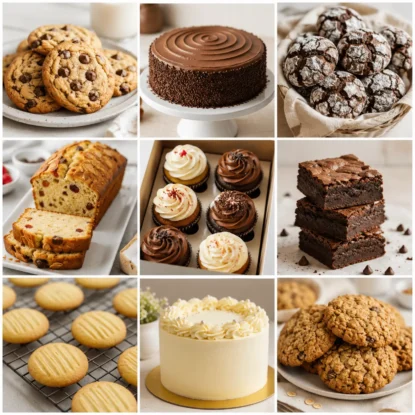
This is the easiest starting point. You bake from your own kitchen and take orders through WhatsApp, Instagram, or word of mouth. Investment is low, there is no rent, and you can start part-time. Most successful bakery brands in India started exactly this way.
2. Cloud Bakery (Delivery-Only)
A cloud bakery works like a cloud kitchen. There is no shop and no seating — you only sell through delivery apps like Swiggy and Zomato or your own website. You can run it from home or a small rented kitchen. It is a good middle step between a home bakery and a physical store.
3. Custom Cake Studio
Here you focus only on made-to-order cakes — birthdays, weddings, anniversaries, theme cakes. Margins are the highest in this category because customers pay for design and skill, not just ingredients. A single wedding cake can earn what fifty cupcakes would.
4. Specialty Bakery
Pick one niche and own it. Sourdough breads, eggless bakes, sugar-free desserts, vegan treats, gluten-free products, or traditional items like nankhatai and mawa cakes. A clear niche makes marketing much easier because customers remember you for one thing.
5. Retail Bakery (Storefront)
Also Read: Best Stocks to Buy This Month
A physical shop with a display counter where walk-in customers buy fresh items daily. This needs serious investment — ₹8 to ₹15 lakh or more, including rent, interiors, and staff. Most people should treat this as a Phase 2 goal, not a starting point.
6. Bakery Café
A bakery plus seating, coffee, and snacks. Highest investment, highest running cost, but also the strongest brand presence. Only consider this after you have proven demand through a smaller model.
7. Franchise Bakery
If you want a ready-made brand and system, franchises like Monginis or local regional chains are an option. Expect ₹10 to ₹30 lakh depending on the brand. You lose creative freedom but gain a known name.
Best pick for beginners: Start as a home bakery or custom cake studio. Low risk, low cost, and you learn the business with real customers before scaling.
Legal Requirements: FSSAI Registration (Updated 2026 Rules)
This is the part where most online guides are now wrong, so pay attention. FSSAI notified new regulations on 10 March 2026, and the revised rules came into force from 1 April 2026. Here is what actually applies today.
FSSAI Basic Registration — What Almost Every Home Baker Needs
Every food business in India, including a home bakery selling through Instagram or WhatsApp, must have FSSAI registration before taking its first paid order. There is no exemption for “small” or “part-time” sellers.
The good news is that Basic Registration now covers a lot more businesses:
- Turnover limit: Up to ₹1.5 crore per year (raised from the old ₹12 lakh limit)
- Cost: ₹100 per year
- Validity: Perpetual. Registrations issued from April 2026 never expire — you just keep paying the annual fee and stay compliant
- Where to apply: Online at foscos.fssai.gov.in
- Documents needed: Aadhaar card, PAN card, passport-size photo, address proof, and a simple declaration
- Processing time: Usually 7 to 30 working days
- Inspection: No physical inspection is needed for Basic Registration, though food safety officers can visit anytime after approval
Unless you are already doing over ₹1.5 crore in sales (in which case, congratulations, you don’t need this guide), Basic Registration is all you need on the FSSAI side.
FSSAI State and Central License
- State License: Now required only when turnover crosses ₹1.5 crore (up to ₹50 crore). Costs roughly ₹2,000 to ₹5,000 per year and involves a kitchen inspection.
- Central License: Only for businesses above ₹50 crore turnover. Not relevant for home bakers.
GST Registration
GST registration is not mandatory at the start. Since a bakery mostly sells goods, registration becomes compulsory only when annual turnover crosses ₹40 lakh (₹20 lakh in special category states).
Two practical points, though:
- Delivery platforms like Swiggy and Zomato often ask for a GSTIN during onboarding even if your turnover is below the limit. If you plan to list on these apps, you may need voluntary GST registration.
- GST rates on bakery items changed in September 2025 (GST 2.0). Cakes, pastries, and biscuits now attract just 5% GST, down from 18%. Plain unbranded bread is tax-free.
Other Registrations Worth Getting
- Shop and Establishment Act registration — required in most states once you formally run a business, even from home
- Municipal trade license — check with your local municipal corporation; rules vary by city
- Food safety training (FoSTaC) — an FSSAI-approved basic course costs around ₹1,500 to ₹2,500 and adds credibility, and larger operations are expected to have a trained food safety supervisor
- Current account — open a separate bank account for the business from day one; it keeps your accounts clean and looks professional on invoices
How Much Money Do You Need for a Bakery Business? (Investment Breakdown)
You can genuinely start a home bakery with ₹50,000 to ₹1 lakh. Here is a realistic breakdown of the full setup:
| Item | Cost Range |
|---|---|
| Oven and essential equipment | ₹40,000 – ₹1,50,000 |
| FSSAI Basic Registration | ₹100 per year |
| Other licenses and registrations | ₹1,000 – ₹5,000 |
| Initial ingredients stock | ₹10,000 – ₹25,000 |
| Packaging material | ₹5,000 – ₹15,000 |
| Branding and marketing | ₹5,000 – ₹20,000 |
| Working capital (3 months buffer) | ₹20,000 – ₹50,000 |
| Total | ₹81,000 – ₹2,65,000 |
Monthly running costs (ingredients, electricity, packaging, small ads) usually land between ₹15,000 and ₹40,000 depending on order volume.
Money-saving tip: Do not buy everything on day one. Start with a good OTG or convection oven and a decent hand mixer. Upgrade to a deck oven and planetary mixer only when orders justify it. Many bakers waste ₹50,000 on equipment they use twice.
Essential Equipment List for Bakery Startup
For a basic home setup under ₹1 lakh:
- Oven — a 40–60 litre OTG for starters, or a small commercial convection oven if budget allows
- Mixer — stand mixer or planetary mixer for consistent batters and doughs
- Refrigerator — ideally a dedicated one for business ingredients and finished products
- Digital weighing scale — non-negotiable; baking is chemistry, and cups lie
- Baking pans, trays, and molds — round, square, loaf, cupcake trays in common sizes
- Cooling racks — cakes trapped in hot pans turn soggy
- Piping bags, nozzles, spatulas, turntable — for decoration work
- Stainless steel work table — easier to clean and more hygienic than wooden surfaces
- Storage containers — airtight boxes for flour, sugar, and dry ingredients
Step-by-Step Plan to Launch Your Bakery Business in 8 Weeks
Week 1–2: Research and Planning
Pick your niche and study your area. Check what local home bakers charge, what sells on weekends, and what nobody nearby offers. Decide your starting menu — keep it small, 5 to 8 items you can make perfectly every single time. A short menu done well beats a long menu done average.
Week 3–4: Get Legal
Apply for FSSAI Basic Registration on the FoSCoS portal. Apply for Shop and Establishment registration and check municipal license rules for your city. Do the food safety training course while you wait for approvals.
Week 4–6: Set Up Your Kitchen
Buy equipment, set up a dedicated corner of your kitchen for business work, and fix your hygiene routine — hair nets, gloves, separate cleaning cloths, pest control. Test every recipe at least three times and write down exact measurements and timings. Standard recipes are what make your fifth order taste like your fiftieth.
Week 7–8: Launch
Create an Instagram business page and a WhatsApp Business profile. Shoot clean, bright photos of your products in natural light. Prepare a simple menu card with prices. Then launch with an offer — 10 to 15% off for the first 20 customers, or a free sample box for your apartment society. Your first 50 customers will mostly come from people who already know you, so tell everyone.
Related Article: All You Need to Know About IndiKhoj Startup
Pricing Strategy and Profit Margins
Underpricing kills more home bakeries than competition does. Use this simple structure:
- Ingredient cost: should be 30–35% of your selling price
- Your labor: 10–15%
- Overheads (electricity, packaging, delivery): 10–15%
- Profit: 30–40%
Quick example: If ingredients for a cake cost ₹100, price it at ₹350–₹400. That covers your time, gas, electricity, packaging, and still leaves a healthy profit. Selling that cake at ₹200 because “it is just a home business” means you are paying customers to eat your cake.
Realistic income expectations:
- First 3–6 months: ₹10,000 – ₹25,000 per month profit as you build a customer base
- After the first year, with steady orders: ₹30,000 – ₹50,000 per month is achievable
- Established home bakeries with strong custom-cake orders can cross ₹1 lakh per month
These numbers depend heavily on your city, niche, and consistency. Custom cakes and festival seasons (Diwali, Christmas, Raksha Bandhan) are where the real money is.
Marketing: How to Get Orders
Instagram (Your Main Shop Window)
Food is visual, and Instagram is where cake orders happen in India. Post clear photos and short reels of your baking process — people love watching frosting go on. Use local hashtags like #HomeBakerDelhi or #FaridabadCakes along with #HomeBakeryIndia. Post customer reviews as stories. Even ₹1,000–₹3,000 a month on boosted posts targeted at a 5 km radius can bring steady inquiries.
WhatsApp Business
This is where inquiries turn into orders. Set up a catalog with photos and prices, use quick replies for common questions, and create a broadcast list of past customers for festival offers. Most home bakery sales in India close on WhatsApp, not on any website.
Google Business Profile
Free and underrated. Create a listing so that people searching “home bakery near me” or “birthday cake near me” find you. Ask happy customers for Google reviews — five good reviews can bring more orders than a month of Instagram posts.
Swiggy and Zomato
Once you have your FSSAI number, you can list on the top delivery platforms. They take 25–28% commission, which hurts margins, but they bring volume and new customers who would never find you otherwise. Good for brownies, cupcakes, and impulse orders; less useful for custom cakes.
Offline
Do not ignore the basics. Tell your apartment society, drop samples at nearby offices, tie up with a local café to supply cookies or brownies, and put up a stall at community events and school fairs. One good tie-up with a café can mean guaranteed weekly orders.
Related Article: Best Kids Birthday Cake Ideas
Common Mistakes to Avoid
- Skipping FSSAI registration. It costs ₹100. Operating without it invites penalties and instant delisting from delivery apps. There is no excuse.
- Taking every order. Saying yes to a 5-tier fondant wedding cake in your second month is how reputations die. Grow your skills before your promises.
- No separate business account. Mixing personal and business money means you will never know if you are actually profitable.
- Ignoring packaging. In the Instagram era, the box is part of the product. Budget for good boxes, ribbons, and stickers with your logo.
- Pricing on guilt instead of math. Charge what the work is worth. The customers you lose over price were never your customers.
Scaling Up: The Road Ahead
- Months 0–6: Stay home-based, keep the menu tight, aim for repeat customers and reviews
- Months 6–12: Upgrade equipment, add products, target ₹50,000+ monthly revenue
- Year 1–2: Hire a helper, expand delivery radius, consider a rented commercial kitchen
- Year 2–3: Think about a storefront or cloud bakery expansion — and remember, thanks to the new rules, you stay on the simple ₹100 Basic Registration until you cross ₹1.5 crore in turnover
Frequently Asked Questions
Q1. Is FSSAI registration mandatory for a home bakery in India? Yes. Every home baker needs at least FSSAI Basic Registration before selling, even for orders taken on WhatsApp or Instagram. It costs ₹100 per year, and under the 2026 rules it covers turnover up to ₹1.5 crore.
Q2. How much money is needed to start a home bakery? You can start with ₹50,000 to ₹1 lakh for basic equipment, licenses, and ingredients. A complete setup with working capital typically costs ₹81,000 to ₹2.65 lakh.
Q3. What changed in FSSAI rules in 2026? From 1 April 2026, the Basic Registration turnover limit rose from ₹12 lakh to ₹1.5 crore, the State License now applies from ₹1.5 crore to ₹50 crore, and all new registrations have perpetual validity — no renewals, only an annual fee.
Q4. Do I need GST registration for a home bakery? Not initially. GST becomes mandatory only when turnover crosses ₹40 lakh (₹20 lakh in special category states). However, Swiggy and Zomato may ask for a GSTIN during onboarding. Note that cakes, pastries, and biscuits now attract just 5% GST after the 2025 rate cuts.
Q5. How long does FSSAI registration take? Basic Registration on the FoSCoS portal usually takes 7 to 30 working days. No physical inspection is required before approval.
Q6. What is the profit margin in a home bakery business? A well-priced home bakery keeps a 30–40% profit margin after ingredients, labor, and overheads. Monthly profits of ₹15,000–₹50,000 are realistic in the first year, higher with custom cakes.
Q7. Can I sell bakery products online from home? Yes. You can sell through Instagram, WhatsApp Business, your own website, and delivery platforms like Swiggy and Zomato — all of which require a valid FSSAI number.
Q8. Which type of bakery is best for beginners? A home bakery or custom cake studio. Both need low investment, no rent, and let you build skills and a customer base before investing in a cloud bakery or physical store.
Final Thoughts
Starting a bakery near your home in 2026 is more practical than it has ever been. The paperwork is lighter, the FSSAI process is a one-time ₹100 job, GST on bakery items is down to 5%, and customers are actively looking for homemade alternatives to factory-made cakes. Start small, price fairly, obsess over quality, and let your first fifty customers become your marketing team. The oven in your kitchen might be worth a lot more than you think.