


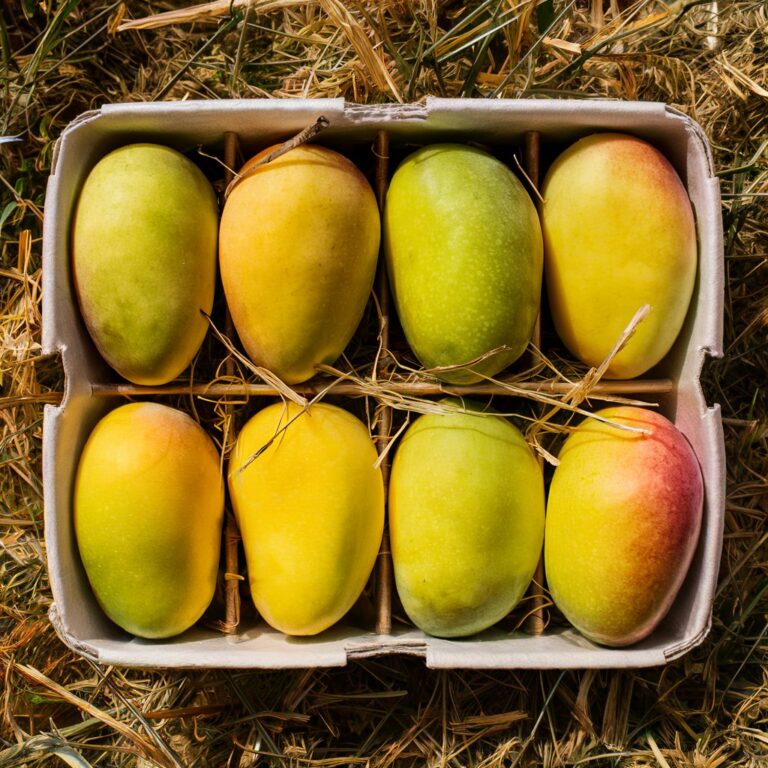
Love mangoes? So does Japan — or at least it used to. In a big shock to Indian mango farmers and exporters, Japan has banned the import of Indian mangoes — and this is the first time in nearly 20 years that such a ban has been put in place. If you’re wondering what went wrong and what this means for India, keep reading!
Which Indian Mangoes Are Banned?
Japan has stopped imports of some of India’s most loved and famous mango varieties. The ban affects:
- Alphonso (Maharashtra’s pride, known as the “King of Mangoes”)
- Kesar (Gujarat’s golden mango, the biggest exporter to Japan)
- Langra (Popular in North India)
- Banganapalli (South India’s favourite)
These mangoes are loved all over the world — and Japanese buyers were paying premium prices for them every year. The ban hits right during the peak mango season (April to June), making things even worse for exporters.
Why Did Japan Ban Indian Mangoes?
Here’s the big question — what really happened?
Every year, before the mango export season begins, Japan sends a team of quarantine inspectors to India. These inspectors check the treatment facilities where mangoes are cleaned and made pest-free before being shipped to Japan.
This treatment is called Vapour Heat Treatment (VHT). In simple words, it’s a process where mangoes are kept in a room with hot and humid air to kill any insects or fruit flies hiding inside the fruit — without using any chemicals.
In March 2026, Japanese inspectors visited a VHT facility in Rehmanpur, Uttar Pradesh. During their inspection, they found serious problems in the way fumigation and disinfection were being done. They felt that the process was not being followed properly, which could allow pests to enter Japan along with the mangoes.
As a result, Japan’s Yokohama Plant Protection Association officially announced that Indian mangoes with inspection certificates issued on or after March 25, 2026 would NOT be accepted in Japan.
Did You Know? Japan has one of the strictest food safety rules in the world. The country follows a zero-tolerance policy against any pests or insects in imported fruits, especially fruit flies, which can destroy crops and damage Japan’s farming industry.
This Has Happened Before — Back in 1986!
This is not the first time Japan has taken such a step. Way back in 1986, Japan had completely banned Indian mangoes due to fruit fly problems. That ban stayed in place for 20 long years.
It was only in 2006 that the ban was lifted — after India improved its treatment facilities and Japan was satisfied that mangoes were being properly disinfected. Now, in 2026, history seems to be repeating itself.
How Big is the Loss for India?
While Japan is not India’s biggest mango buyer, it is one of the most valuable markets. Indian exporters earn much higher profits from Japan than from selling mangoes at home. The total value of mango exports to Japan was around $1.54 million, with Kesar mangoes alone contributing approximately $0.2 million.
To make things worse, Indian mango exporters are already dealing with losses due to bad weather in Maharashtra’s Alphonso belt and disruptions from the West Asia conflict, which is affecting trade routes. This Japan ban has come at the worst possible time.
Are Indian Exporters Happy With This Ban?
Not at all. Many Indian exporters are angry and frustrated. Some even claim that Japan’s inspectors seemed to have already decided to fail the facilities — regardless of how well they were actually operating. One exporter questioned, “How can every facility’s mangoes be rejected?”
However, until both governments officially sort things out, the ban stays in place. Japan has made it clear that the suspension will continue until India improves its operational standards and Japan is fully satisfied.
What Happens Next?
India will now need to work closely with Japan to fix the issues found in its treatment facilities. If India acts fast and meets Japan’s strict requirements, there is a chance the ban could be lifted before the season ends.
For now, farmers and exporters are hoping for a quick resolution — because every passing day means more mangoes rotting and more money lost.
Stay tuned to FlickOnClick for the latest updates on this story and more