


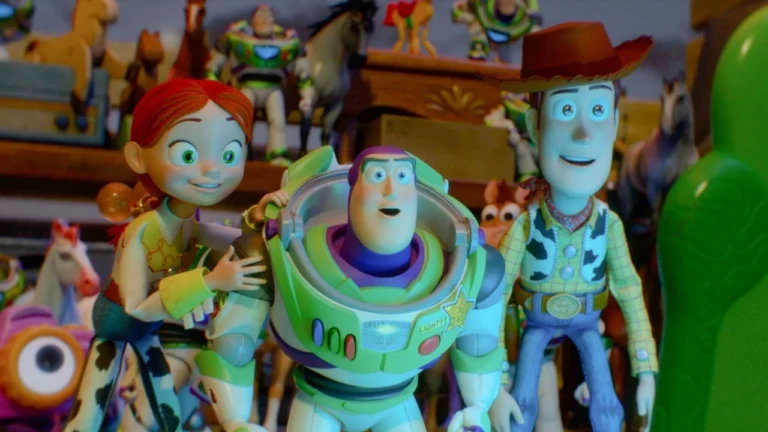
Pixar isn’t known to do small things, and Toy Story 5 is no exception. The new installment in one of animation’s most popular franchises is set to cost approximately $200 million, which lines up with the budget of Toy Story 4, and shows that Disney has a strong faith in this story after 31 years and four films.
Toy Story 5 is said to have a budget of $200 million. A breakdown of the salaries of Tom Hanks, Tim Allen and others that were just added to the cast, such as Bad Bunny, plus what the movie must gross to make money. However, the number is so big that there is a very obvious question that arises: Where is all that money going and how much is the person behind these iconic voices making?
Budget for Toy Story 5 Movie stands at $200 million.
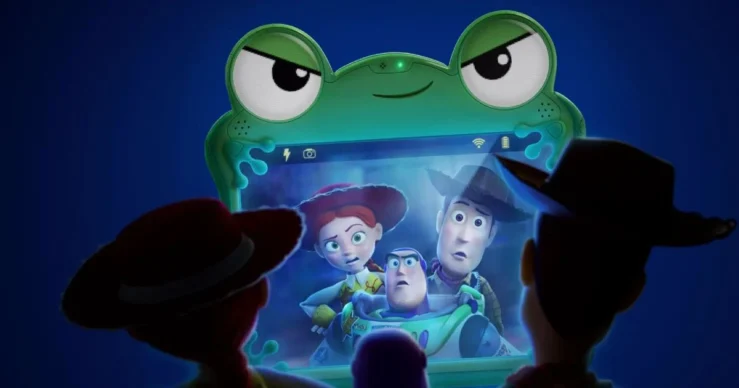
It’s simple to believe that this is a budget that’s primarily all about stars’ pay. It isn’t. Much of that $200 million is spent by hundreds of Pixar artists over years on years of detailed animation and visual effects, post-production looks, original music and sound design. Then there’s marketing, which usually takes another 50 to 100 per cent of the original production cost, whether a film like this is being promoted with a 50 per cent marketing budget or a 100 per cent budget.
Voice-acting, although it is a vital component of the business, is also a smaller percentage of the total pie, particularly compared to the cost of live-action blockbusters’ leads.
For most people, it is hard to imagine what $200 million is worth, unless they consider it to be roughly the amount needed for an average world-spanning film to break even, using industry standard multipliers for marketing & distribution. In order to actually beat the franchise’s previous profit margins and be the most successful Toy Story film ever, analysts have said that Toy Story 5 would need to make over $1 billion worldwide. That is a high bar that Pixar will have to jump over.
The Voices Behind Woody and Buzz: Toy Story 5 Cast Fees
Hollywood is pretty tight-lipped about the exact numbers for Toy Story 5’s cast, but it’s safe to say that there are more than a few.
Tim Allen and Tom Hanks, the two actors best known for this franchise, have been the voice of Woody and Buzz Lightyear since 1995. In all the previous parts, Hanks has reportedly been paid from $3 million to $5 million each movie, while Allen’s income is reportedly in the same range. Considering the decades of commitment these two have shown to these characters and the cultural significance both roles have, that seems like a fair number on par with anyone working behind the scenes for Toy Story’ as far as responsibility goes.
Joan Cusack, who is the voice of Jessie, has played a key role in the franchise since Toy Story 2; in Toy Story 5 she is said to have a more prominent part as the film deals with the theme of toy obsolescence in the digital era. The amount of her salary has not been revealed, but veteran voice actors who have appeared in prominent roles for big-budget Pixar films make between $1 million and $3 million a movie.
New Faces Join the Toy Box
Toy Story 5 also brings in a couple of new voices to represent a more contemporary, screen-obsessed world – a theme particularly fitting for this film.
But Greta Lee, who has starred in past lives and has recently committed to Superman, lends an impressive dramatic depth to the cast. The ensemble is rounded out by Conan O’Brien, who is the show’s sharp comedic timing. Joined by one of the world’s largest music stars of all time, Bad Bunny, the move is a definite indication of Disney’s ambition to globalize the franchise.
Their individual salaries have not been revealed, but if they agree to join big franchises like animated movies, then they can expect to get anywhere between $1 million and $2 million per appearance, plus bonuses based on box office receipts.
A Bold Creative Swing
Directed by Andrew Stanton, Toy Story 5 takes Jessie to the emotional centre of the story as the toys grapple with becoming irrelevant in a world dominated by screens and devices. It’s an introspective, somewhat poignant take on a franchise that has always been about both comedy and emotion—and it’s a welcome change of pace from its familiar ground.
So does the real financial risk! Toy Story 5, then, is Pixar’s performance that the studio has been looking for, as its recent films have had mixed results.
Similar Article: Little Brother Netflix Movie Budget and Cast Salary
What’s Really at Stake
The numbers are easy, but hard. Expected to break even at $500 million. Real success – with a capital S – at $1 billion or over. A voice cast of two of Hollywood’s most cherished actors who are backed by a cast of new talent that is slated to be cultural and global.
If it proves to be a success it could be the most profitable movie in the franchise so far. If it doesn’t, then it joins a roll of questions regarding the ability of legacy sequels to have the same impact as before.
Regardless, Woody and Buzz are back again — and the entire industry will be closely watching to see if there’s some magic left in the toy box.
If you enjoyed reading about Toy Story 5 cast fees and movie budget, check out our other articles on your favourite Hollywood and Bollywood movie budgets, cast salaries, and box office numbers.