


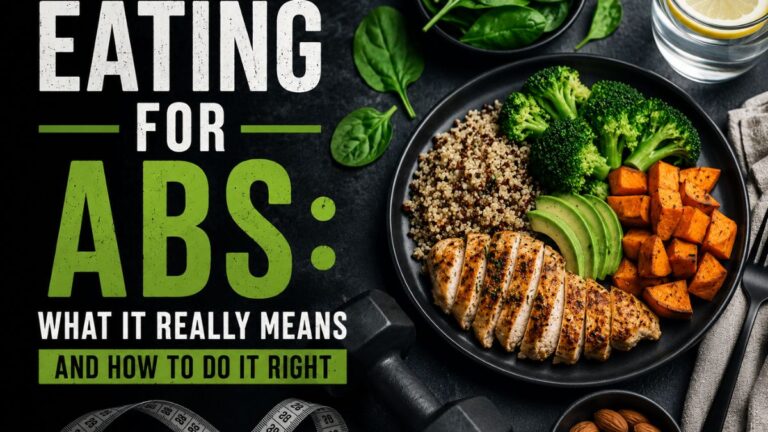
The phrase eating for abs is pretty common in fitness circles. If you have just come across it, you are most likely picturing plates loaded with greens, large portions of protein at every meal, and protein shakes throughout the day. This phrase has been around for decades and was popularized by personal trainers and sports nutritionists. It does not just refer to eating foods that help define your midsection. It points toward a broader approach that combines smart nutrition with consistent training.
Most personal trainers agree on one thing: visible abs are impossible to achieve without following a well-balanced diet. If your nutrition is off, no amount of training will deliver the results you are working toward.
How Important Is Diet for Ab Formation?
Nutritionist Jenna Hope explains that a balanced diet does play an important role in getting abs, although several other factors also influence ab formation. These include genetics, hormones, body type, daily activity levels, and overall health. No single factor works in isolation.
Nutritionist Lauren Windas adds that alongside diet, daily exercise is equally important. For a well-defined midsection, the right combination of both nutrition and physical activity is essential. One without the other rarely produces lasting results.
How to Get Visible Abs
Windas explains that there is a direct and integral connection between what you eat and your body composition. The human body requires a proper balance of three macronutrients: proteins, carbohydrates, and fats. If getting visible abs is your goal, maintaining a calorie deficit while consistently weight training to build muscle mass is the most effective approach.
The process is straightforward. You need to lose the additional layer of fat covering your midsection to allow your abs to show. Studies suggest that adopting a diet built around a calorie deficit, with macronutrients adjusted based on your exercise pattern, is the most reliable way to achieve this. The goal is not just fat loss but also building actual ab definition through resistance training.
What Meal Plan Should You Follow?
According to Lauren Windas, the focus should be on the overall quality of your diet rather than obsessing over individual foods. A well-structured abs diet plan should include the following:
Non-starchy vegetables such as broccoli, spinach, and bell pepper form the foundation of a clean diet for abs. Lean sources of protein including chicken and turkey help preserve and build muscle. Complex carbohydrates such as brown rice and lentils provide sustained energy without spiking blood sugar. Healthy fats from sources like nuts and olive oil support hormone function and overall health. Fruits provide natural sugars, fiber, and essential micronutrients.
Similar Article: Health Benefits of Flaxseeds
For women looking to lose fat and reveal abs, a daily intake of approximately 1800 calories is a reasonable starting guideline. For men, this figure is closer to 2200 calories per day. This is based on consuming three meals along with one or two snacks throughout the day.
It is important to remember that every person’s nutritional requirements are unique. These figures should be treated as a general guideline rather than a fixed prescription. Consulting a qualified nutritionist for a personalized plan is always advisable.
7 Expert Tips for Eating for Abs
1. Prioritize Your Protein
Adequate protein consumption is essential when eating for abs. Protein helps keep you full for longer, stabilizes blood sugar levels, prevents energy crashes, and reduces sugar cravings. As your exercise intensity increases, your protein requirements increase alongside it. Make protein the anchor of every meal.
2. Stay Hydrated
Jenna Hope advises drinking at least two liters of water per day. Staying consistently hydrated helps prevent confusing thirst for hunger, which is a common cause of unnecessary snacking. It also supports energy levels and cognitive function throughout the day, both of which matter when you are training regularly.
3. Keep Your Portion Sizes in Check
Oversized portions can easily lead to consuming more energy than your body needs, even when the foods themselves are healthy. A practical guideline is to fill half your plate with non-starchy vegetables, use your hand as a measure for your protein portion, limit carbohydrates to roughly one fistful, and keep healthy fats to around one tablespoon per meal.
Similar Article: Is your uric acid level rising rapidly? Stop consuming these contributing foods!
4. Reduce Sauces and Condiments
Sauces can make meals more enjoyable, but they can also contribute significantly to excess calorie consumption without you realizing it, warns Jenna Hope. Be mindful of how much you are adding, particularly with dressings, mayonnaise, and sweet sauces that carry hidden sugars and fats.
5. Do Not Skip Meals
Skipping meals has been shown to increase total energy intake over the course of the day, as hunger builds and portion control becomes harder. Hope recommends opting for a protein-rich meal or snack instead of skipping. This keeps both blood sugar and energy levels stable, which makes it easier to stick to your nutrition plan.
6. Moderate Your Fat Intake
Healthy fats are an essential part of any nutrition for abs plan, but overconsumption will work against your calorie deficit goals. Hope recommends keeping fat intake at around 30 to 35 percent of your total daily diet, sourced from quality options like avocado, olive oil, and nuts.
Similar Article: Best Foods for 9th Month Pregnancy
7. Build a Diet You Can Sustain
The most effective abs diet plan is one you can maintain consistently over time. Focus on nourishing your body with whole, nutrient-dense foods and pair that with physical activities and exercises you genuinely enjoy. Sustainability matters far more than short-term perfection.
Frequently Asked Questions
What does eating for abs mean?
Eating for abs refers to following a nutrition strategy that combines a calorie deficit with balanced macronutrients to reduce body fat and reveal abdominal definition. It was popularized by personal trainers and sports nutritionists and emphasizes overall diet quality alongside consistent exercise.
What foods should I eat for abs?
The best foods for abs include lean proteins such as chicken and turkey, complex carbohydrates like brown rice and lentils, non-starchy vegetables including broccoli and spinach, healthy fats from nuts and olive oil, and fresh fruits. These support fat loss while preserving and building muscle.
How many calories should I eat to get abs?
As a general guideline, women aiming to lose fat and reveal abs should consume around 1800 calories per day, while men should aim for approximately 2200 calories daily. Individual requirements vary based on body type, activity level, and metabolism, so a personalized plan from a nutritionist is recommended.
Is a calorie deficit necessary to get abs?
Yes. A calorie deficit is essential for losing the layer of fat that covers the abdominal muscles. Without it, even well-developed abs will remain hidden beneath body fat. Combining a moderate calorie deficit with resistance training produces the best results.
How important is protein for getting abs?
Protein is one of the most important nutrients when eating for abs. It helps maintain muscle mass during fat loss, keeps you full between meals, stabilizes blood sugar, and reduces cravings. The more you train, the higher your protein requirements become.
Can I get abs without dieting?
According to most personal trainers and nutritionists, visible abs are very difficult to achieve without dietary changes. Exercise builds the muscles, but diet is what removes the fat layer covering them. Both are necessary for visible ab definition.
Similar Article: Best Office Exercises
Conclusion
Eating for abs is not about extreme restriction or surviving on salads. It is about building a sustainable, balanced approach to nutrition that supports fat loss and muscle definition at the same time. Prioritize protein, manage your portions, stay hydrated, and choose whole foods that fuel both your training and your recovery.
The results will not appear overnight, but with consistency across both diet and exercise, a well-defined midsection is an achievable goal for most people willing to commit to the process.