


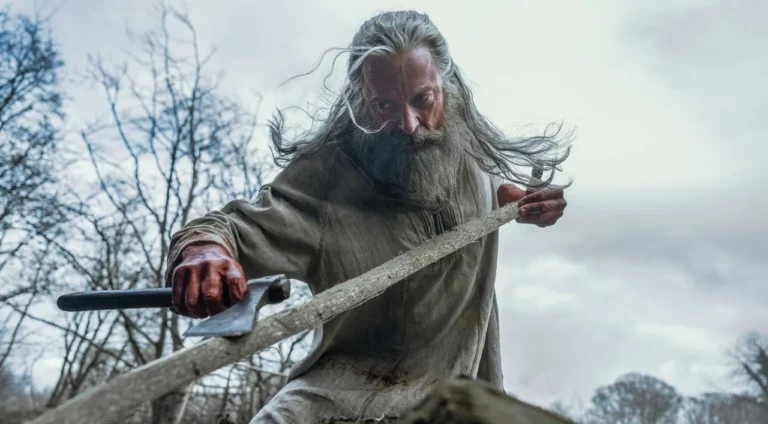
The Death of Robin Hood Review: ★★★☆☆ (3/5)
The Death of Robin Hood, directed by Michael Sarnoski and starring Hugh Jackman, Jodie Comer, Bill Skarsgård, Murray Bartlett, and Noah Jupe, is now playing in cinema halls.
Robin Hood has meant many different things to many different people over the years. A swashbuckling adventurer. A romantic hero. A rebel with a cause. For generations, the legend has been about what he stood for — the thrill of the fight, the romance of the forest, and the satisfaction of watching the powerful get what they deserve. The Death of Robin Hood isn’t interested in any of that. Instead, it asks a harder, quieter question: what happens to the hero when the fighting is over, the years have piled up, and he’s left alone with everything he’s done?
The answer, as it turns out, makes for a darker, slower, and far more emotionally complex film than most people walking in will be prepared for.
Michael Sarnoski, the director behind the quietly devastating Pig, brings that same unhurried, introspective sensibility to this retelling of Robin Hood’s final days. This is not an action-adventure. There are no heroic chases through Sherwood Forest, no rousing speeches, no triumphant last stands. What there is instead is a story about guilt, mortality, and the weight of a life spent in violence — and while that’s not always comfortable to sit with, it’s rarely less than compelling.
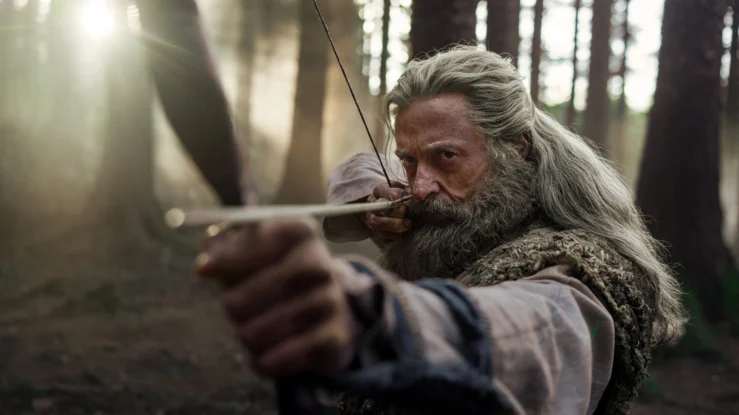
Hugh Jackman plays Robin as a man who has already lost the plot of his own legend. He’s exhausted, physically broken, and haunted in ways he doesn’t have the words for anymore. This isn’t the bold, magnetic hero of earlier adaptations. Jackman strips all of that away and finds something rawer underneath — a man who knows his time is running out and isn’t sure he’s earned a peaceful ending. It’s a restrained, deeply felt performance, one that asks you to pay close attention rather than simply sit back and be entertained.
One of the film’s bravest choices is the way it quietly dismantles the myth. Robin Hood here is not a straightforward hero. The film suggests, without ever being heavy-handed about it, that the story history tells about him may be tidier and more flattering than the reality ever was. That reframing gives the whole film a different texture — and separates it from every other adaptation that’s come before.
Jodie Comer is exceptional as Sister Brigid, the woman who tends to Robin after he arrives at her door gravely wounded. She and Jackman share the emotional centre of the film, and their scenes together are where it really comes alive. Comer brings a warmth and a steady grace that offsets Jackman’s world-weariness beautifully. Their conversations carry the kind of quiet weight that doesn’t need dramatic music or big moments to land — they just land.
Visually, the film is stunning in the way that only genuinely bleak landscapes can be. The world it builds is cold, hard, and unforgiving — medieval England as a place of mud and shadow rather than romance and adventure. The cinematography is precise and considered, with every frame feeling like a deliberate choice. It draws you into Robin’s final journey in a way that feels physical as much as emotional.
That said, this film will not be for everyone, and it’s worth being honest about that.
The opening stretch is brutally violent — not in a gratuitous way, but in a way that makes the consequences of Robin’s life feel real and ugly. Some viewers will find it too much. The pacing is also deliberately slow, especially once the film shifts toward reflection and inward searching. If you’re coming in expecting momentum and action, you may find yourself impatient.
The supporting characters are also somewhat underserved. Jackman and Comer rightly dominate, but several figures around them feel like they exist mainly to keep the plot moving rather than as fully realized people. The film hints at relationships and threads that it never quite finds the time to follow through on.
Similar Read: Cocktail 2 Review
But what stays with you about The Death of Robin Hood is its willingness to do something genuinely uncommon — to take a beloved legend and refuse to let him off the hook. This isn’t a film that sends Robin Hood out on a high note. It’s a film that asks what “a good death” actually means for someone who lived the way he did.
That’s a divisive question, and the film knows it. Not everyone will leave the cinema satisfied. But you will leave thinking — about legacy, about what we leave behind, about the gap between the stories we tell about people and the truth of who they actually were. That’s more than most films about mythic heroes ever attempt.
The pacing stumbles occasionally, and not every idea lands cleanly. But Jackman’s commitment never wavers, and the film never loses sight of what it’s really about. This is not the Robin Hood story people expect. That’s precisely what makes it worth seeing.