


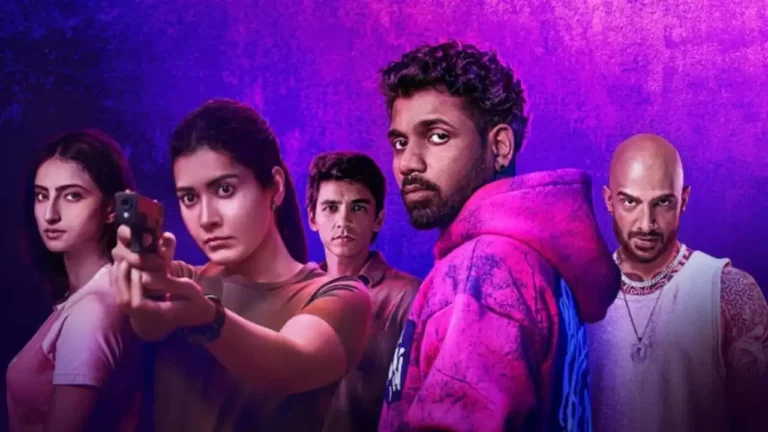
Lukkhe Review: ⭐⭐⭐ (3/5)
Lukkhe delivers strong atmosphere, believable performances, and an authentic underground rap-culture setting that feels fresh for Indian OTT. King makes a confident acting debut, while Raashii Khanna adds emotional stability to the series. However, the weak crime-writing and forgettable music stop the show from reaching its full potential. Overall, it remains a stylish and engaging one-time binge-watch on Prime Video.
Rating: 3/5
Platform: Amazon Prime Video
Episodes: 8
Cast: King, Raashii Khanna, Palak Tiwari, Lakshvir Saran, Shivankit Singh Parihar
Director: Himank Gaur
Language: Hindi
There has been a long wait for a proper Indian OTT show built around rap culture. Not a Bollywood film where a character raps for two scenes, but a full series where the music, the streets, the rivalries, and the lifestyle are front and centre. Lukkhe, which dropped on Amazon Prime Video on May 8, 2026, was supposed to be that show. It is partly that show. The parts where it works are genuinely exciting. The parts where it does not are frustrating precisely because you can see how good it could have been.
The story follows Lucky, a young man who goes undercover in Chandigarh’s underground rap scene to investigate a dangerous drug called Demon that is spreading across Punjab. In doing so, he gets pulled deep into the world of MC Badnaam — played by King — a rapper whose stage persona and personal history are tied up in grief, ego, and survival. Raashii Khanna plays Gurbani, a sharp police officer who suspects MC Badnaam is connected to the drug supply chain. Shivankit Singh Parihar plays OG, a rival rapper whose beef with MC Badnaam has roots that go well beyond music. The stage is set for something raw and real. The question is whether the writing matches the setup.
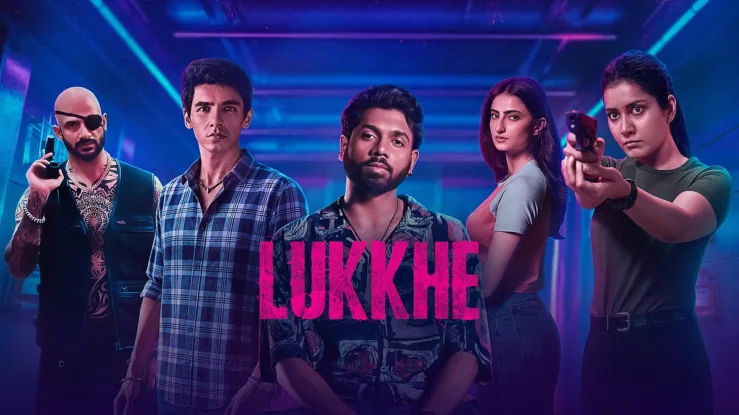
King is the big draw here, and to his credit, he does not embarrass himself. For a first acting role, he brings a natural comfort to the performance — particularly in the rap sequences and stage scenes, where he does not need to pretend to be anything other than what he is. His best moments come when the character is quiet rather than loud, and there are a handful of scenes where he communicates something genuinely felt without saying very much. The authenticity he carries from his music career gives MC Badnaam a credibility that a more seasoned actor might have actually struggled to fake. He is not a complete actor yet, but this is a promising start.
Raashii Khanna is the steadier performer of the two. She plays Gurbani with intelligence and restraint, avoiding every obvious trap the role could have fallen into. There is nothing cliched about her cop — no unnecessary toughness for show, no softening into a love interest, just a woman doing a difficult job in a complicated situation. Lakshvir Saran handles the emotional middle ground of the story well, particularly in the mid-season episodes where the show slows down and gives its characters room to breathe. Palak Tiwari does what is asked of her but is underserved by a role that never quite gets fully written.
Director Himank Gaur clearly knows how to build atmosphere. The Chandigarh and Punjab setting feels lived-in and specific — college corridors, underground performance spaces, roadside dhabas — and the visual language of the show, especially in its rap sequences, has genuine energy. When Lukkhe is moving fast and the music is playing and the tension between characters is live, it is a lot of fun to watch. The problem is that it does not always stay in that mode.
The crime and drug trafficking plot, which is supposed to give the show its danger and stakes, is where things go thin. The world of the Demon drug trade is described more than it is shown. The villains are sketched rather than built. Some of the big confrontations feel more like they are hitting dramatic beats because the script requires them to, rather than because the story has genuinely earned them. The show draws obvious comparisons to Udta Punjab in its setting and themes, and while Lukkhe is not trying to be that film, those comparisons are not entirely unfair — and they do not flatter Lukkhe’s crime writing.
The music, which should be the show’s most powerful weapon given who is starring in it, is surprisingly forgettable for the most part. The stage sequences are fun to watch, but the songs do not stick the way they should in a show that calls itself a musical drama. That is probably the most telling shortcoming of all.
Also Read: Citadel Season 2 Review: Bigger Action, Better Emotions, But Still Not a Perfect Spy Thriller
Still, Lukkhe is worth your time if you go in with the right expectations. It is not the definitive Indian rap drama we were all hoping it might be. But it is a solid, watchable series with real performances, a strong visual style, and just enough emotional honesty to make you care. King’s debut is more than respectable. Raashii Khanna is excellent. And the world the show builds, however imperfectly, is one that felt overdue on Indian OTT. Watch it for what it gets right, and forgive it for not getting everything right on the first try.