


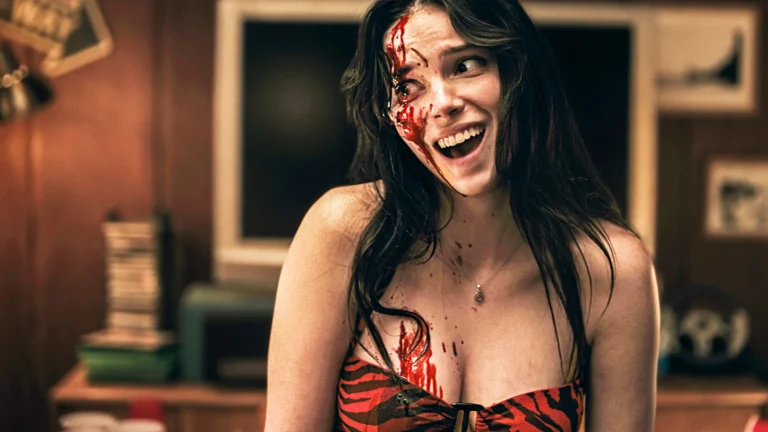
Horror has always been the genre where the math makes the least sense — in the best possible way. Films that cost almost nothing routinely generate returns that would make superhero producers envious. Obsession is the latest and perhaps most striking example of that pattern, and the numbers involved are worth looking at closely.
Obsession was produced on a budget of around $400,000 to $500,000 and grossed over $75 million globally. Here’s the full breakdown of the budget, cast salaries, the Focus Features deal, and why this indie horror film became one of 2026’s biggest success stories. Curry Barker’s indie horror thriller turned a tiny production budget into one of the most profitable horror success stories of recent years.
Obsession Movie Budget Details
Director Curry Barker — better known before this as a YouTuber with a horror-focused channel and a growing online audience — made Obsession for somewhere between $400,000 and $500,000. Factor in post-production and marketing and some estimates push the total closer to $1 million, but even that figure is modest by any standard in the current film industry.
What makes the budget figure interesting is how the constraints shaped the film rather than limited it. No expensive CGI, no elaborate sets, no blockbuster-scale production design. Instead, the team used practical filmmaking techniques, a small number of locations, and a compact crew to build tension through atmosphere and performance rather than visual spectacle.
Horror audiences responded to exactly that approach. The rawness felt intentional rather than compromised. The confined spaces made the fear more claustrophobic. The limited cast meant the film had to earn its scares through storytelling rather than set pieces — and it did.
The low-budget nature of Obsession didn’t become an excuse for the film’s weaknesses. It became an explanation for its strengths.
How Much Did the Obsession Cast Get Paid?
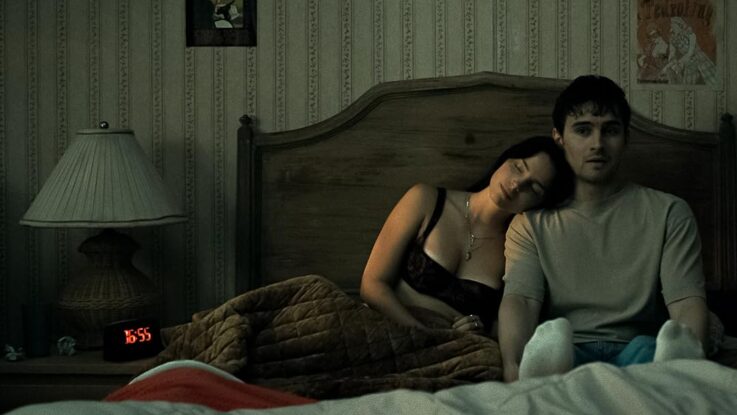
The cast worked under SAG-AFTRA independent or moderate indie agreements — the standard framework for films operating at this budget level. Daily rates in the range of $200 to $500 per day are typical for productions of this size, and with emerging rather than established actors in the lead roles, salary costs stayed well within what the budget could support.
Obsession Cast Salary Breakdown
| Actor | Role | Estimated Salary |
|---|---|---|
| Michael Johnston | Lead Role | SAG Indie Rate |
| Inde Navarrette | Supporting Lead | SAG Indie Rate |
| Supporting Cast | Various Roles | Daily/Weekly Indie Rates |
No official salary figures have been confirmed publicly. What has been widely reported is that cast members may have backend bonus or profit-sharing arrangements now that the film’s financial performance has become clear — which would be a significant reward for people who took a chance on a micro-budget horror project from a first-time theatrical director.
That’s a detail worth noting. Actors who accept lower upfront rates on genuinely independent films sometimes end up better compensated overall when those films break through than they would have been on a higher-paying project that went nowhere.
Focus Features’ Big Acquisition Deal
The story of Obsession changed in a very specific and financially dramatic moment when Focus Features entered the picture.
After early screenings generated strong buzz — the kind of audience reaction that travels fast through industry circles — Focus Features reportedly purchased the distribution rights for more than $10 million. For a film that had cost half a million dollars to produce, that acquisition alone turned the project into a financial success before a single general audience member had bought a ticket.
The deal also opened the film to international distribution at a scale that a micro-budget indie would never have accessed independently. Obsession went from being a horror festival conversation piece to a global theatrical release — and the box office results that followed justified the acquisition price many times over.
This is how independent horror economics works when everything lines up. You make the film cheaply, you generate genuine audience excitement, a distributor bets on that excitement, and the theatrical run confirms the bet. The studio takes on the risk of wide release; the filmmaker and cast benefit from the visibility and the backend. Everyone wins when the film actually connects.
Obsession Box Office Collection
The numbers are stark. A film that cost somewhere between $400,000 and $1 million to make has grossed more than $75 million globally.
Trade analysts have put that return-on-investment calculation alongside Paranormal Activity, Talk to Me, and Skinamarink — films that became reference points for what micro-budget horror can do when the audience finds it. The comparison is apt. Obsession belongs in that conversation.
The theatrical performance also carried a message beyond the specific film. Horror audiences will show up for original stories that deliver on their promises. They don’t need franchise branding or recognizable IP. They need genuine tension, atmosphere, and the feeling that something could go wrong at any moment. Obsession gave them that, and they responded accordingly.
For Hollywood studios watching the independent market, a film like this is both a proof of concept and a reminder. You don’t always need to spend $150 million to make $75 million. Sometimes you need to spend $500,000 and get everything else right.
Also Read: Peddi Movie Budget and Cast Salary Revealed: Ram Charan’s ₹100 Crore Fee Shocks Fans
Why Obsession Became a Viral Horror Hit
Curry Barker’s existing online audience was a genuine asset here and it would be dishonest to understate its role. He had already built a community of horror enthusiasts through YouTube before he made a feature film — people who were invested in his creative development and primed to follow him into theatrical territory.
That community created early awareness that no marketing budget could fully replicate. The first wave of viewers were already interested before they’d seen a trailer. Their reactions — shared on social media, turned into reaction videos, spread through the horror community’s active online ecosystem — created a second wave of curiosity among people who hadn’t heard of Curry Barker but could see that something real was happening with this film.
Word-of-mouth horror has always worked. The combination of a director with a built-in digital audience and a film that genuinely delivered on its promise gave Obsession an unusually strong foundation for that word-of-mouth to spread from.
Production Style and Filmmaking Approach
The filmmaking choices that kept the budget low also served the film artistically. Handheld cinematography created instability and unease. Limited locations concentrated the tension into confined spaces. Practical lighting over digital effects gave the visual language authenticity that audiences read as real rather than manufactured.
None of this was accidental. Working within tight constraints forces creative discipline that expensive productions often avoid because they can throw resources at problems instead of solving them with filmmaking.
Obsession solved its problems with filmmaking. The result was a horror film that felt like it was made by someone who actually understood what makes audiences frightened rather than just what makes them jump — and the box office confirmed that those are different and important things.