


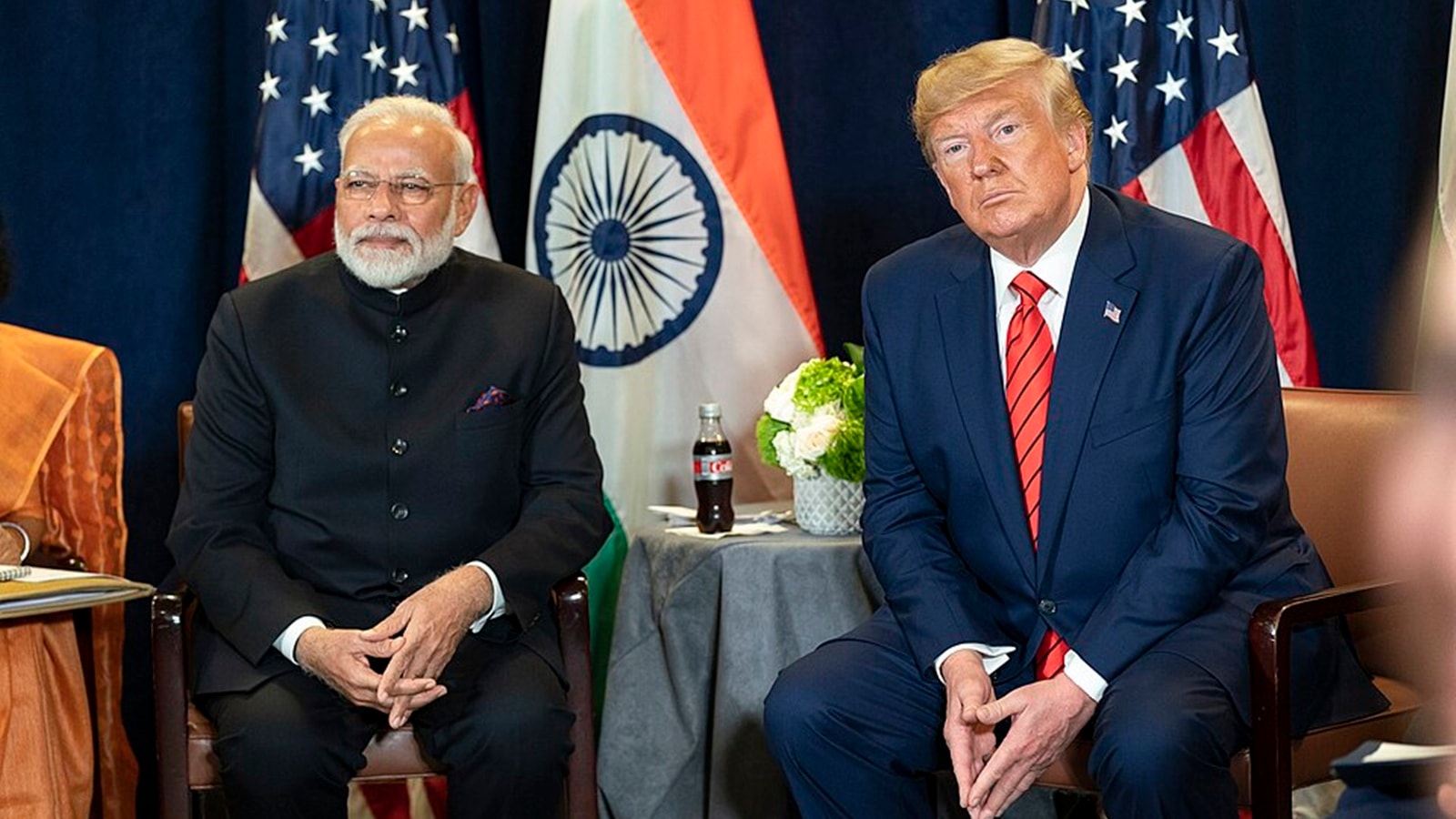
In the coming days, relations between India and the United States could become more strained. The US is close to introducing a bill in Parliament that could make India’s purchase of Russian oil a costly affair. If the bill is passed, India could face tariffs of up to 500 percent. Washington says this move is aimed at pressuring Russia to end the Russia–Ukraine war.
A new and tougher sanctions law against Russia is being prepared in the United States. The bipartisan bill, titled the “Sanctions Against Russia Act, 2025,” is designed to increase economic pressure on Moscow over its attack on Ukraine.
The bill has been jointly drafted by Republican Senator Lindsey Graham and Democratic Senator Richard Blumenthal after a meeting with President Donald Trump, and it has also received approval from the White House.

Also Read-: US Seizes Russian Oil Tanker in Atlantic, Tensions with Moscow Escalate
Under this proposed law, if Russia does not cooperate in peace talks or violates any agreement, the US would have the authority to impose heavy tariffs on countries that continue to buy energy from Russia.
According to the bill’s toughest provisions, the US could impose tariffs of up to 500 percent on American imports from countries that purchase Russian oil, gas, uranium, or other energy products. Senator Graham believes this would deal a major blow to Russia’s war-driven economy.
India is particularly important in this context because, after the Ukraine war began, it has met a large part of its energy needs by buying discounted crude oil from Russia. However, if the new bill comes into force, India could be hit by US tariffs, raising concerns about a negative impact on India–US trade relations.
President Donald Trump has also indicated that if India continues to buy oil from Russia, the US may increase tariffs.
Analysts say the move could weaken Russia economically, but it may also lead to instability in the global energy sector and increase tensions among allied nations. The US Senate is expected to vote on the bill next week, a decision that could shape the future course of international relations.