


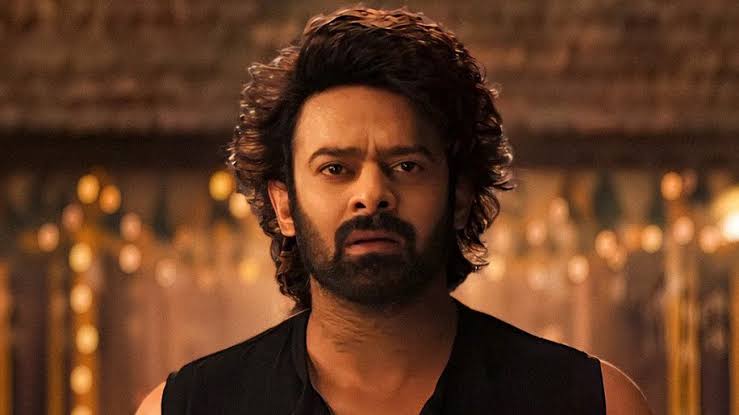
The Raja Saab, released on 9 January 2026, is one of the most unusual films in Prabhas’ career. Known for his larger-than-life action spectacles, the actor experiments with a horror-comedy fantasy under director Maruthi. The film aims to mix royal drama, romance, humour, and supernatural thrills, backed by lavish production values. While the ambition is commendable, the final result turns out to be a mixed cinematic experience.
Story & Narrative
The story revolves around Raja Saab, a carefree and rebellious royal heir whose family is drowning in financial trouble. His only hope lies in an abandoned ancestral palace that hides secrets, hidden wealth, and a dark supernatural presence. As Raja Saab enters the mansion to reclaim his legacy, he encounters ghosts, emotional family truths, and psychological twists connected to his grandfather and past decisions.
On paper, the plot sounds intriguing. However, the execution struggles with consistency. The film shifts frequently between comedy, romance, horror, and sentiment, often losing focus. The runtime, which stretches beyond three hours, further affects pacing. Several subplots—especially the romantic tracks—feel unnecessary and dilute the core horror-fantasy theme.

Also Read-: The Rajasaab Cast Salaries: South–Bollywood Stars and Their Fees
Performances
Prabhas is the heart of The Raja Saab. He clearly enjoys exploring comedy after a long time and brings charm, timing, and screen presence to the role. His mass moments and emotional scenes work well, and he almost single-handedly keeps the film engaging.
Sanjay Dutt makes a strong impression as the antagonist, bringing intensity and weight to his role. His confrontational scenes with Prabhas are among the film’s highlights. Veteran actors like Boman Irani and Zarina Wahab add emotional depth, particularly in family-centric scenes.
The female leads—Malavika Mohanan, Nidhhi Agerwal, and Riddhi Kumar—add glamour and light humour, but their characters are underwritten. They serve more as narrative fillers than strong participants in the story.
Direction, Music & Technical Aspects
Director Maruthi shows flashes of creativity, especially in blending psychological elements with fantasy. Some horror sequences, particularly in the second half, are well-designed. However, the film lacks genuine scares, and several visual effects appear inconsistent and dated.
Thaman’s background score is one of the film’s strongest assets. It elevates key scenes, enhances tension, and supports the mass climax effectively. The songs, however, fail to leave a lasting impression.
The film’s production design is grand, with impressive sets that give the palace a mystical aura. Cinematography captures scale well, but editing could have been tighter to maintain narrative grip.
Strengths & Weaknesses at a Glance
| Aspect | What Works | What Doesn’t |
|---|---|---|
| Performances | Prabhas’ comic timing, Sanjay Dutt’s intensity | Female roles lack depth |
| Concept | Royal horror-fantasy premise | Inconsistent tone |
| Music | Powerful background score | Forgettable songs |
| Pacing | Engaging climax | Overlong runtime, dull stretches |
| Horror | Psychological ideas | Limited chills, uneven VFX |
Final Verdict
The Raja Saab is an ambitious experiment that delivers entertainment in parts but falls short of being a complete horror-comedy fantasy. Prabhas’ performance, a few emotional moments, and the mass-oriented climax make it watchable, especially for his fans. However, weak writing, tonal imbalance, and excessive length prevent it from reaching its full potential.
Rating: 3/5
A decent one-time theatrical watch for mass-cinema lovers, but not the genre-defining film it aims to be.