


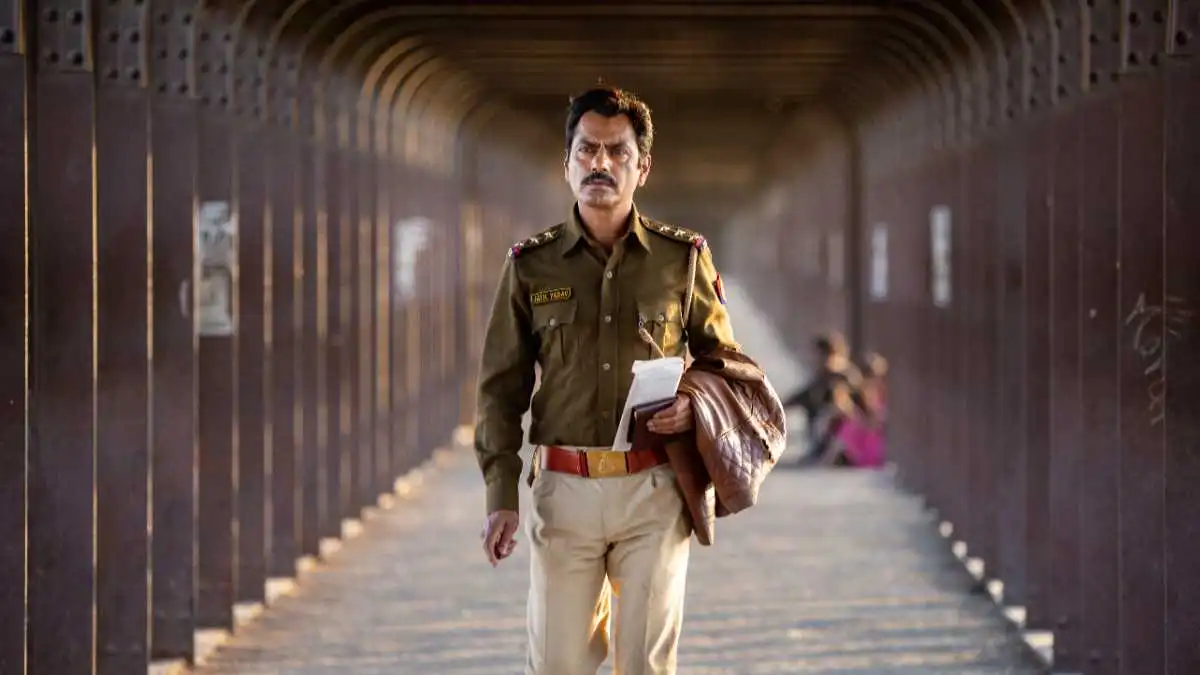
Raat Akeli Hai: The Bansal Murders is an intense, dark, and deliberately paced crime-thriller sequel that continues to explore the murky intersection of power, greed, and broken relationships through Inspector Jatil Yadav. Much like the first film, it relies less on shock value and more on atmosphere, character psychology, and moral ambiguity. While its heavy tone and slow rhythm may not appeal to everyone, the film stands strong in terms of storytelling, performances, and mood.
Story and Setting
The film opens with a chilling premise: the brutal mass murder of the influential Bansal family in Kanpur. What initially appears to be a single crime scene soon turns into a maze of secrets, lies, and buried histories. The family mansion becomes a closed, suffocating space where every room hides suspicion and every silence feels loaded.
Inspector Jatil Yadav once again takes charge of the investigation. As he digs deeper, the case reveals layers of greed, betrayal, and unresolved conflicts within the Bansal household. The setting—rooted firmly in North India—uses dimly lit interiors, long corridors, and an ever-present sense of unease to create a claustrophobic yet gripping experience.

Also Read: Dhurandhar Movie Review: Ranveer Singh Delivers a Gripping Spy Thriller That Gives You Goosebumps
Performances and Cast
Nawazuddin Siddiqui anchors the film with a nuanced portrayal of Jatil Yadav. This time, the character feels more exhausted, emotionally scarred, and morally conflicted. Nawazuddin plays him with restraint, allowing silences and subtle expressions to speak louder than words.
The ensemble cast—including Radhika Apte, Chitrangada Singh, Rajat Kapoor, Deepti Naval, Revathi, and Sanjay Kapoor—adds depth to the narrative. Each actor brings credibility to their role, especially in scenes driven by fear, suspicion, and suppressed anger. The supporting characters are not mere suspects; their brief monologues and reaction shots add emotional weight and complexity, ensuring the story goes beyond a simple “whodunit.”
Direction, Writing, and Technical Aspects
Director Honey Trehan stays true to the tone of the first film while expanding both scale and intensity. His use of silence, narrow spaces, and close-ups heightens tension without resorting to gimmicks. Every scene feels carefully composed to keep the viewer uneasy.
The screenplay, written by Smita Singh, weaves themes of class divide, power politics, obsession with wealth, and family honour seamlessly into the murder mystery. Each clue uncovers not just facts, but uncomfortable truths about the characters involved.
The background score works subtly, often taking precedence over dialogue, while the low-light cinematography gives the film a bleak, noir-like visual identity that perfectly matches its grim subject matter.
Strengths and Weaknesses
The film’s biggest strength lies in its atmosphere and character-driven mystery. Every suspect has a believable motive, and the narrative constantly shifts suspicion, keeping viewers guessing till the end. For fans of the first film, this sequel expands the emotional and narrative universe, giving Inspector Jatil Yadav a deeper and more layered arc.
However, the film’s slow pacing and nearly two-and-a-half-hour runtime can feel demanding. Viewers accustomed to fast-cut thrillers or action-heavy crime dramas may find the experience heavy and occasionally draining.
Verdict: Who Should Watch It?
Raat Akeli Hai: The Bansal Murders is best suited for viewers who enjoy layered crime thrillers, murder mysteries, and investigative dramas where character psychology and social dynamics are as important as the central crime. It rewards patience and attention, offering a haunting, immersive experience rather than instant thrills.
Streaming on Netflix from 19 December 2025, the film makes for a compelling weekend watch—provided you are prepared for its slow-burn narrative and dark, unsettling tone.