



Maruti Suzuki has been quietly working on something that could shake up the entry-level SUV space in India. A new micro SUV, internally referred to as the Y43, is reportedly in the pipeline — and if the expected pricing of around ₹7 lakh holds up, it could become one of the most talked-about car launches in recent years.
The segment it’s targeting — compact, affordable SUVs — is already buzzing with strong players like the Tata Punch and Hyundai Exter. Maruti knows this, and that’s probably exactly why they’re jumping in.
What’s the Expected Price?
Nothing is confirmed yet, but early reports suggest the new SUV could start somewhere between ₹6.5 lakh and ₹7.5 lakh ex-showroom. Here’s a rough idea of how it might stack up against the competition:
| Model | Expected Price |
|---|---|
| Maruti New SUV (Y43) | ₹6.5 – ₹7.5 lakh |
| Tata Punch | ₹5.65 – ₹10.60 lakh |
| Hyundai Exter | ₹5.79 – ₹9.41 lakh |
| Nissan Magnite | ₹5.62 lakh onwards |
If Maruti can actually land in that price range with a decent feature set, it’s going to get a lot of attention from first-time SUV buyers. Within Maruti’s own lineup, it would slot in below the Fronx and above the Ignis — which makes sense given where the market is heading.
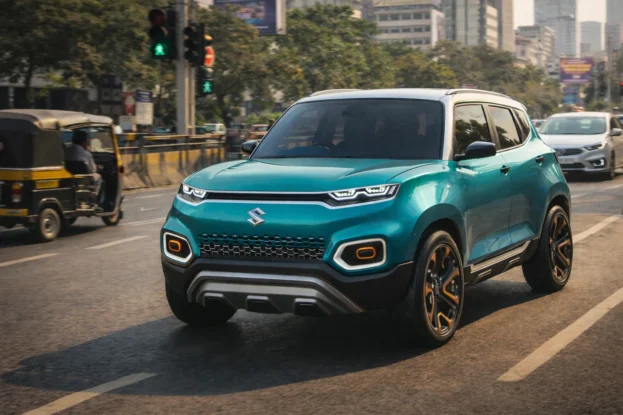
Where Does It Fit in Maruti’s Lineup?
This one’s interesting. The Y43 is expected to be around 3.8 metres long, which gives it a proper road presence without going full mid-size SUV. It might eventually replace the Ignis, or at least shift it aside, as Maruti tries to plug the gap between hatchbacks and their more premium SUV offerings.
The micro SUV space has grown fast in India because buyers want that SUV look and feel without spending big money. Maruti is clearly recognizing this shift and proactively positioning itself ahead of it.
Engine Options — What’s Under the Hood?
Early reports indicate a few different powertrain choices, which is wise considering the varying needs of buyers.
| Engine Type | Details |
|---|---|
| Petrol | 1.2L naturally aspirated |
| Turbo Petrol | 1.0L turbo (expected) |
| CNG | Dual-cylinder CNG option |
The 1.2L petrol is likely borrowed from the newer Swift, which should mean decent everyday performance and solid fuel efficiency. The turbo option would appeal to buyers who want a bit more punch — no pun intended. And the CNG variant? That’s going to be very popular with people watching their fuel bills every month.
Gearbox options are expected to be a 5-speed manual and a 5-speed AMT — straightforward choices that work well for both city driving and longer runs.
How Will It Look?
Maruti hasn’t shown anything officially yet, but based on what’s being reported, the design direction sounds like a departure from the softer, rounder look of the Ignis. Think more upright, more boxy — the kind of silhouette that actually looks like an SUV rather than a hatchback wearing a costume.
A few things are being talked about:
- Higher ground clearance for that proper SUV feel
- Bold front grille design
- LED daytime running lights
- Modern headlamp setup
It’s being aimed at younger buyers and urban users who want something that looks a bit tougher than a regular hatchback. Whether the final design delivers on that is something we’ll have to wait and see.
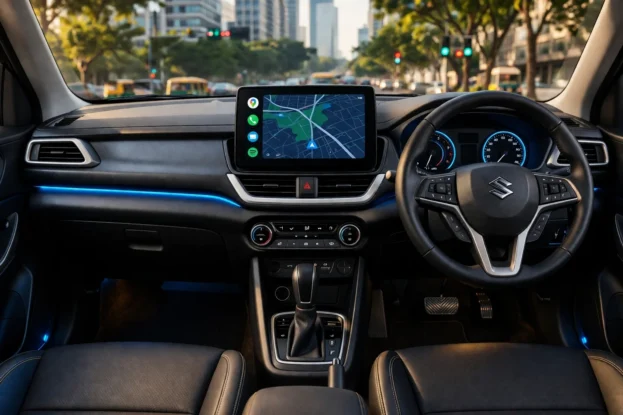
What’s Inside?
Maruti has been putting more effort into cabin quality and tech in recent models, and this one is expected to follow that trend. Nothing fancy is confirmed, but here’s what’s being talked about:
- Touchscreen infotainment system
- Wireless Android Auto and Apple CarPlay
- Digital instrument cluster
- Steering-mounted controls
- Rear parking camera
Higher variants might also get connected car features — things like remote access, vehicle tracking, and over-the-air updates. These are quickly becoming expected rather than optional, even in budget cars.
Also Read: 2026 Maruti Suzuki Baleno Facelift: Expected Features, Safety Upgrades, and Engine Details
Safety — Can It Keep Up With Tata Punch?
This is probably the toughest bar to clear. The Tata Punch earned a 5-star Global NCAP rating, and that’s genuinely hard to match. Buyers in this segment are paying close attention to safety now, which wasn’t always the case.
Maruti is expected to include at least the basics:
- Dual airbags as standard
- ABS with EBD
- Rear parking sensors
- Electronic stability control on top trims
Whether that’s enough to compete with Punch’s safety reputation remains to be seen. Maruti will need to be serious about this — not just box-ticking serious, but genuinely competitive.
Also Read: 2026 Tata Punch EV Facelift Launched: Is This India’s Best Affordable EV?
Who Is It Up Against?
The micro SUV space is getting crowded fast. The main names the Y43 will face are:
- Tata Punch — strong on safety and brand loyalty
- Hyundai Exter — well-loaded with features and comfort
- Nissan Magnite — aggressive pricing, turbo petrol option
- Renault Kiger — similar positioning, decent feature set
Each of these has something going for it. Maruti’s biggest advantages are things most buyers already know — a massive service network across India, solid resale value, and a brand that people trust deeply. In the budget segment, especially, those things matter a lot.
Also Read: Bajaj Pulsar 180 Launched in India: Price, Specs, Features and What’s New
When Is It Launching?
Honestly, don’t expect an immediate announcement. The Y43 is still in development, and most industry watchers expect it to arrive sometime in 2026 or 2027. Maruti is working on expanding its entire SUV lineup, so this is one piece of a bigger push rather than an isolated launch.
As things get closer, more details around the exact specs, features, and launch date should start emerging.
Should You Be Excited?
If you’re in the market for an affordable SUV — yes, probably. The ₹7 lakh price band is exactly where a lot of buyers are looking right now, and a new Maruti entry in that space gives you another solid option to consider.
Whether it ends up being a Punch-beater or not depends entirely on how Maruti executes it. The formula is simple enough — price it right, make it safe, give it enough features, and back it with that legendary service network. If they manage all four, this could be a very big deal for the segment.