


India is preparing to restrict the sale of CCTV cameras from certain Chinese companies starting April 1, 2026. The move comes as part of stricter security regulations around surveillance equipment used across the country.
Authorities are focusing on potential risks linked to data security and unauthorized access. The decision reflects a broader push to ensure that sensitive video data remains protected within India.
Which Companies Are Likely to Be Affected
Several major Chinese brands are expected to face restrictions under the new rules. These include globally recognized surveillance companies that have a strong presence in India’s CCTV market.

Reports suggest that brands like Hikvision, Dahua, and TP-Link may not receive necessary approvals to continue selling their products. Without government certification, these companies will find it difficult to operate in India.
New Certification Rules Explained
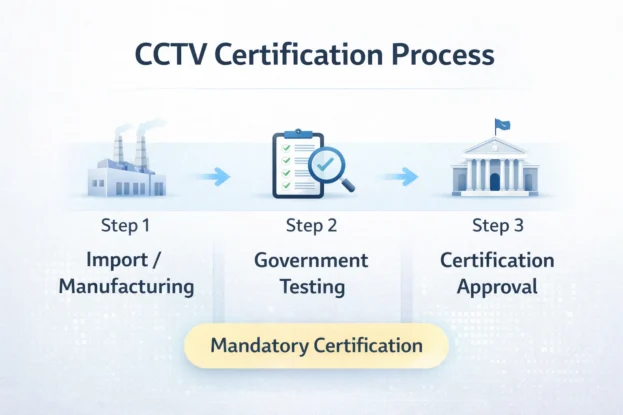
The government is tightening certification norms for CCTV cameras sold in India. Companies must now meet stricter security and compliance requirements before their products can be approved.
This includes mandatory testing and validation to ensure that devices do not pose any national security risks. Manufacturers must also comply with local data storage and processing standards.
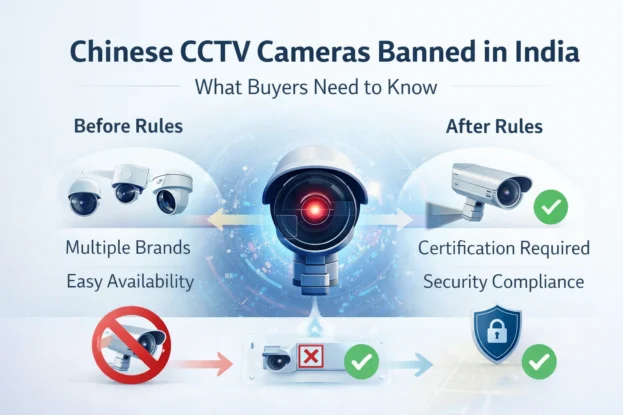
What Changed from April 1, 2026
From April 1, new rules are expected to come into effect that will directly impact imports and sales. Companies that fail to meet certification requirements may be barred from selling their CCTV products.
This move is not a direct ban but a regulatory filter. However, its impact is similar to a ban for companies that cannot meet the new standards.
Impact on CCTV Buyers in India
For consumers and businesses planning to install CCTV systems, this change could affect available options. Buyers may see fewer Chinese brands in the market over time.
However, this also opens up opportunities for Indian and non-Chinese manufacturers. Users may benefit from more secure and locally compliant surveillance solutions.
How the Indian CCTV Market Will Change
The Indian CCTV market is expected to undergo a significant shift. With some major players potentially exiting, domestic companies could gain a stronger foothold.
Local manufacturers and global non-Chinese brands may expand their presence. This could also lead to innovation and better quality products tailored for Indian users.
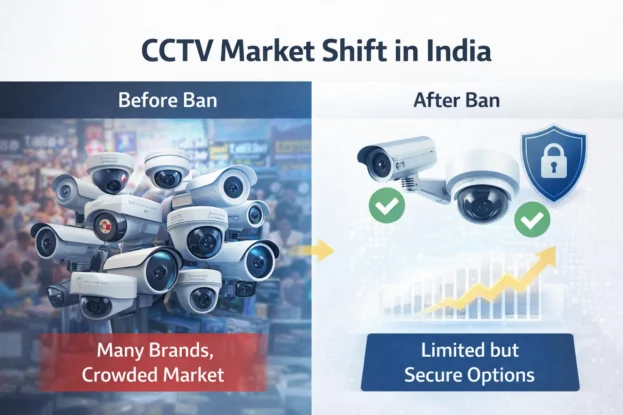
Comparison of the CCTV Market Before and After the Ban
| Factor | Before April 2026 | After April 2026 |
|---|---|---|
| Market Leaders | Chinese brands dominant | Indian & global brands rising |
| Product Availability | Wide range | Selective but secure |
| Pricing | Competitive | May increase slightly |
| Security Standards | Moderate | High compliance focus |
This transition may take time, but it is expected to improve overall security standards.
Why the Government Is Taking This Step
The primary concern behind this move is national security. CCTV cameras are widely used in homes, offices, and public spaces, making them critical infrastructure.
Any vulnerability in these systems could expose sensitive information. By enforcing stricter rules, the government aims to minimize such risks.
Opportunities for Indian Manufacturers
Indian companies now have a chance to grow in this space. With reduced competition from certain foreign brands, domestic players can expand production and innovation.
This could also support the “Make in India” initiative. Increased demand for locally manufactured surveillance systems may boost the industry.
Challenges for Businesses and Installers
Businesses that rely on affordable Chinese CCTV solutions may face challenges initially. They might need to switch to alternative brands, which could be slightly more expensive.
Installers and distributors may also need to adjust their supply chains. Over time, the market is expected to stabilize with new suppliers and products.
What Buyers Should Do Before Purchasing CCTV
Buyers should carefully check whether a CCTV brand is certified under the new rules. It is important to choose products that comply with government guidelines.
They should also focus on features like data security, local storage options, and after-sales support. Making an informed decision will ensure long-term safety and reliability.
Also Read: Afghanistan Cricketers Break Silence After Kabul Hospital Attack
What to Expect in the Coming Months
The transition phase will be crucial for both companies and consumers. More clarity is expected as the government releases detailed implementation guidelines.
New brands and alternatives may quickly enter the market to fill the gap. Buyers can expect more secure, compliant, and technologically advanced surveillance solutions moving forward.
A Turning Point for India’s Surveillance Industry
This move signals a major shift in how India approaches digital and physical security. The focus is clearly shifting towards self-reliance and stronger data protection.
As the changes roll out, the CCTV market is set to evolve rapidly. For consumers, businesses, and manufacturers alike, this marks the beginning of a new era in surveillance technology.