


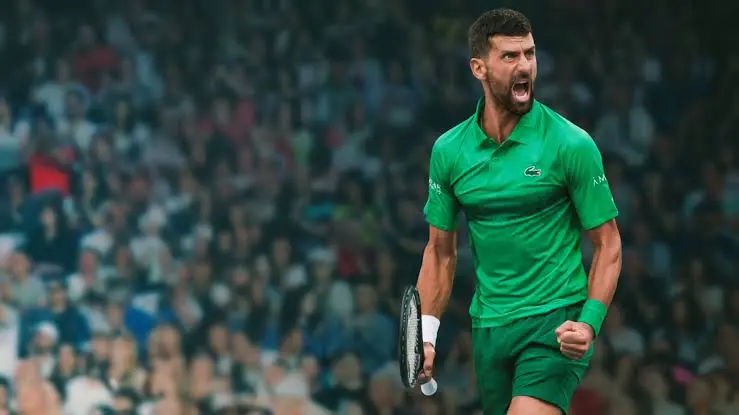
Novak Djokovic: The Wolf in Winter Review: ★★★★☆ (4/5)
Novak Djokovic: The Wolf in Winter is a thoughtful and honest look at one of tennis’s greatest champions, balancing his greatness and controversy with genuine emotional insight into his family life and mindset.
Rating: ★★★★☆ (4/5)
Genre: Sports Documentary
Director: Jason Hehir
Subject: Novak Djokovic
Featuring: Andre Agassi, Pete Sampras, Rafael Nadal, Jelena Djokovic
Every great athlete carries something driving them beyond raw talent, whether it is ego, sheer stubbornness, or an unshakable belief that they are meant to win. Director Jason Hehir sets out to uncover exactly that force in Novak Djokovic: The Wolf in Winter. This documentary examines one of tennis’s most successful and most divisive champions as he quietly approaches the end of his career.
The film paints a full picture of Djokovic, someone who has earned both deep respect and sharp criticism throughout his career, both on the court and off it.
Hehir brings in major voices from the tennis world, including Andre Agassi, Pete Sampras, and Rafael Nadal, to break down what has made Djokovic such a dominant force, a player with 24 Grand Slam titles, an Olympic gold medal, and more than 1,100 career match wins.
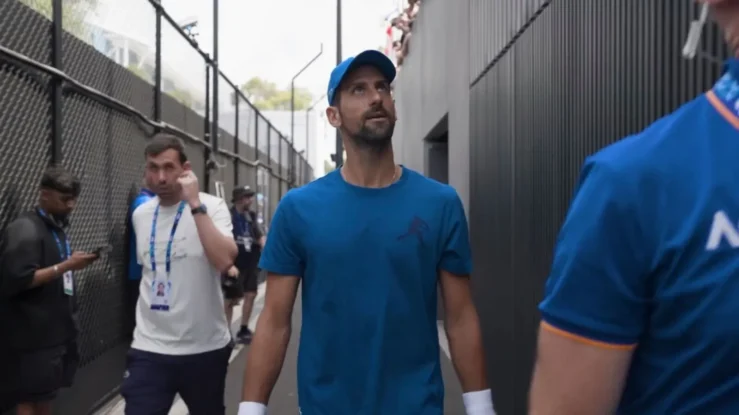
What stands out most is that Hehir does not approach his subject with blind admiration. Instead, he treats Djokovic like a real person, which makes the documentary easy to follow even for viewers who are not die-hard tennis fans.
For longtime tennis followers, the breakdown of Djokovic’s playing style may not offer many new revelations. Where the documentary really shines is in exploring who Djokovic is away from the court. Born into tennis in 1991 in what was then Yugoslavia, he grew up during a time of war, an experience that shaped both his mental toughness and his hunger for greatness.
The film contrasts the discipline and order of tennis with his memories of running to bomb shelters as a child, giving real weight to why the sport became such an important escape for him.
The documentary does not shy away from Djokovic’s well-known temper or his reputation for taunting opponents and critics alike. The Wolf in Winter is clearly not interested in painting a flattering picture just for the sake of it. It gives real space to controversial moments, most notably his deportation from Australia ahead of the 2022 Australian Open.
Djokovic, who was unvaccinated for COVID-19 at the time, had secured a medical exemption but posted about it publicly before boarding his flight, a decision he made despite his wife Jelena’s concerns. The backlash was immediate, and he ended up detained and eventually deported.
Hearing Djokovic reflect on the experience, still calling it traumatic, reveals a lot about his instinct to challenge authority, a trait that has shown up repeatedly throughout his career. His return to win the 2023 Australian Open shows he holds no lasting grudge, but the entire episode captures his self-belief at its most extreme, for better and worse.
Away from his public image, the documentary spends real time on his family life, using interviews with Jelena along with home videos to show a softer, more human side of him.
Similar Article: Blood Sacrifice Netflix Review
As a father to two children, the toll of long tournament absences is clear, but so is his genuine love and attention when he is present. That tension between chasing greatness and being there for his family becomes one of the film’s most affecting threads, especially as Djokovic openly wrestles with when and how to walk away from the sport.
The documentary arrives at a fitting moment in Djokovic’s career, one where the challenge is no longer about proving he can still win, but about deciding when enough is enough. As Andre Agassi puts it plainly in one interview, the end always comes fast for every athlete, no matter how great they are.
Whether Djokovic chooses to retire on his own terms, gets forced out by injury, or simply gets overtaken by the next generation remains uncertain. What Hehir ultimately delivers is a rare, honest look at a champion finally confronting the one thing he has spent his entire career avoiding: the end.