


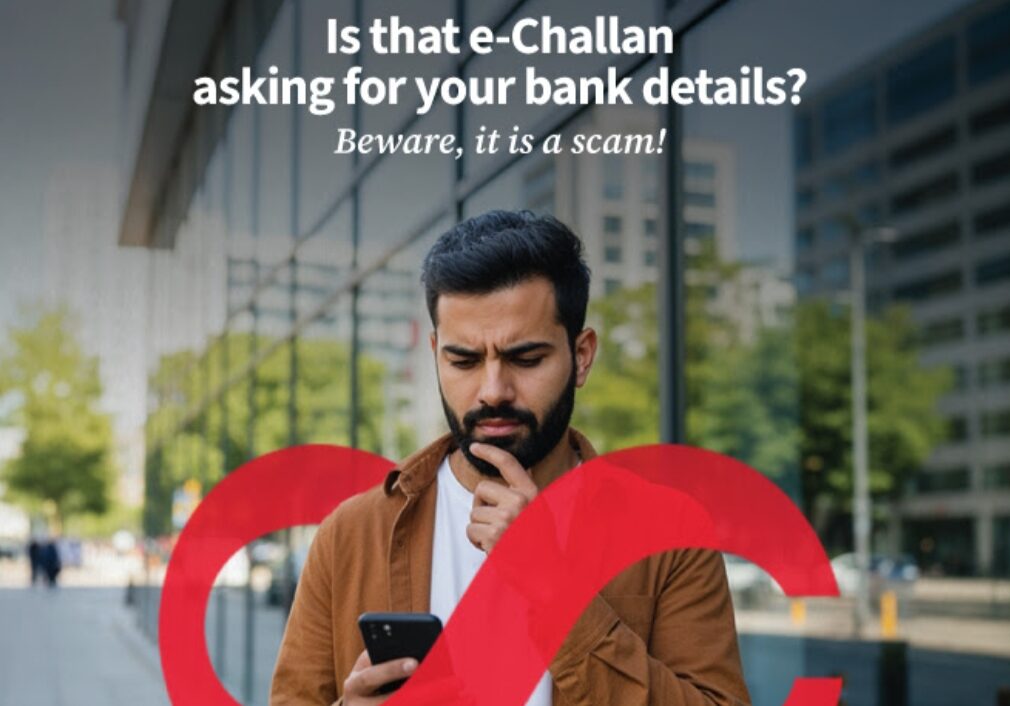
Hey, you and I both get those surprise messages about traffic fines that make our hearts skip a beat. These e-challan frauds are sneaky, using fake alerts to grab our money or details. Let’s keep it simple and stay safe together.
Spot the Fake Signs Early
Watch for messages that come without warning, like you never broke any rule. Scammers push you hard with threats of arrest if you don’t pay right away, but real ones give you time. Check if the sender looks off or uses odd words that don’t feel official.
Smart Steps to Dodge the Trap
- Skip clicking any links in those surprise texts or emails; they lead straight to trouble.
- Never share your card details, OTP, or personal info with callers claiming it’s for payment.
- Check your real fines yourself on trusted government sites by typing the address by hand.
You and I stay ahead by ignoring the rush and verifying everything calmly. This small habit keeps our wallets secure every time.

Verify Before You Pay
Head to your state traffic site or main portal to see actual dues on your vehicle. Look for secure payment spots with proper signs, and match the vehicle number yourself. If unsure, ring up your local traffic office for peace of mind.
Current Examples of E-challan Victims
Real Life Example 1: Piyush’s Parking Nightmare
Piyush Goel, a busy office worker from Delhi, parked his car near a mall one evening after a long day.
Right away, his phone buzzed with a message claiming an e-challan for wrong parking, complete with his car’s number plate and a fine amount.
He thought it was real because it arrived so fast, just minutes after parking, and looked official with traffic police logos.
Panicking over the “pay now or arrest” warning, Piyush clicked the link and entered his card details to settle the quick fine.
Within moments, scammers drained over ten thousand rupees from his account before he realized the site was fake.
This common trick preys on our trust in instant alerts, turning a simple park into a costly lesson.
Sahil’s E-Challan Trap
Sahil parked his car after a tiring drive in the city last week. Almost instantly, his phone lit up with a message about a traffic fine for speeding. He believed it was genuine because it arrived so quickly after parking.
The Tricky Message
The text warned of an urgent violation with his vehicle details and a small payment demand. It included a police-like logo and came from an unfamiliar number. Sahil felt the pressure to act fast, assuming cameras had spotted him right away.
How He Got Caught
In a rush, Sahil tapped the link leading to a site that copied the official traffic portal. He added his bank information and a code to settle it swiftly. Fraudsters then accessed his account and took out a large sum.
The Wake-Up Call
Sahil contacted authorities afterward but had already suffered the loss. He now shares his story to remind everyone: check the real government site directly every time. Messages right after parking are often scams designed to hurry you.
What to Do If You Spot a Scam
Block the sender quick and forward the message to authorities without delay. Tell your bank right away to watch for funny business on your account. Spread the word to family so we all watch each other’s backs.
Stay alert, everyone. Cybercrimes are ruining lives every day—you never know when it could be yours. So always try to help others and yourself too.