


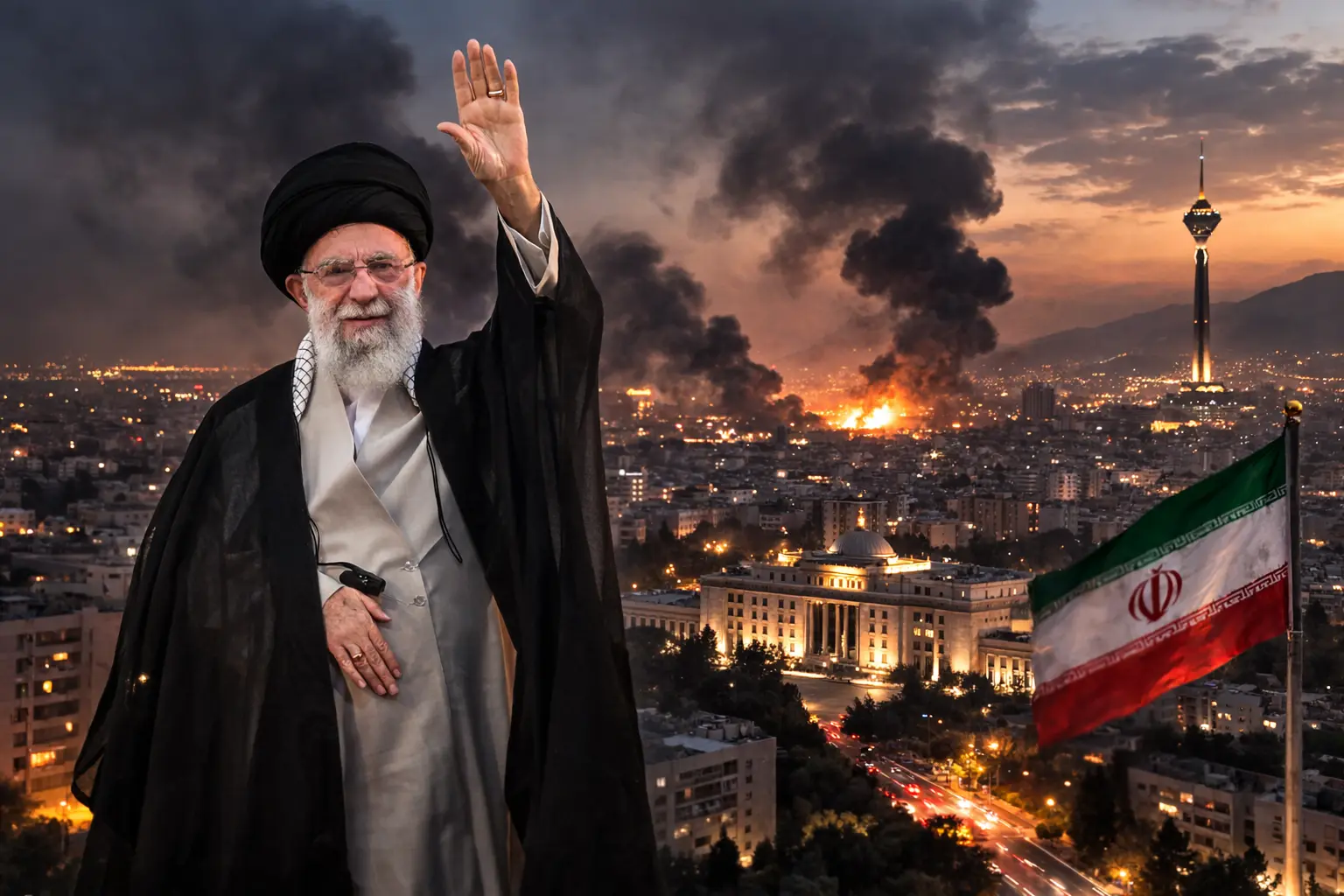
Ayatollah Ali Khamenei was the Supreme Leader of the Islamic Republic of Iran, serving as the country’s highest authority from 1989 until early 2026. He held ultimate control over Iran’s political, military, and religious institutions, shaping policy at home and abroad. His leadership was marked by strict anti-Western stances and tight control over internal dissent.
Born on April 19, 1939, in Mashhad, Iran, Khamenei came from a religious family and pursued clerical education from a young age. He later studied at the Qom seminary, where he aligned with the movement against the Shah’s rule. His early political activism included multiple arrests and times in hiding before the 1979 Islamic Revolution.
Rise to Power
After the 1979 Iranian Revolution, Khamenei became a significant figure within the new Islamic Republic. He joined the secretive Revolutionary Council and rose quickly in political ranks. In 1981, he was elected Iran’s president, serving two terms before becoming the Supreme Leader.

Khamenei was chosen Supreme Leader by the Assembly of Experts following the death of Ayatollah Ruhollah Khomeini. Although he initially lacked senior clerical credentials, his position grew stronger over time. As supreme leader, he appointed key military and judicial officials, giving him unmatched influence within Iran’s power structure.
Role and Influence in Iran
As Supreme Leader, Khamenei had authority over the Islamic Revolutionary Guard Corps (IRGC), Iran’s judiciary, national media, and foreign policy. His rulings shaped Iran’s domestic direction and responses to internal protests. He resisted Western influence and closely aligned Iran with anti-U.S. and anti-Israel positions.
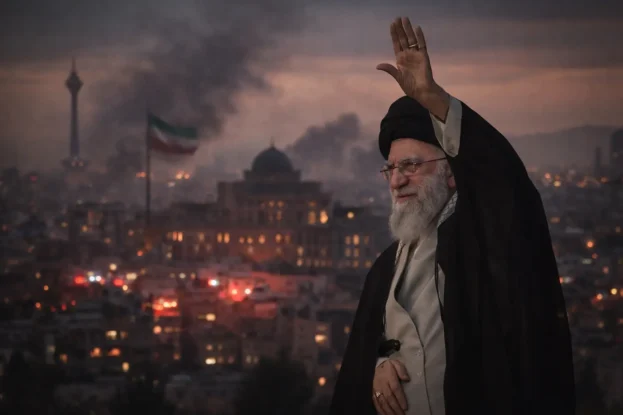
Over decades, Khamenei oversaw Iran’s nuclear program and regional strategies, often supporting allied militia groups in Iraq, Lebanon, Syria, and Yemen. While the 2015 nuclear deal was agreed during his rule, relations with the West deteriorated after the U.S. withdrawal from the pact in 2018.
Domestic Challenges and Unrest
During his leadership, Iran experienced several major episodes of public dissent. In 2009, the Green Movement protested disputed election results. More recently, the 2022 “Woman, Life, Freedom” protests erupted after Mahsa Amini died in custody, calling for social and political change.
The government responded to many protests with force, tightening restrictions and arresting dissenters. Critics both inside and outside Iran accused his regime of suppressing basic freedoms and clamping down on journalists, activists, and students.
Iran and Regional Tensions
Under Khamenei’s rule, Iran became a central figure in Middle Eastern geopolitics. He endorsed the concept of the “Axis of Resistance,” a network of allied groups opposed to U.S. and Israeli influence. This strategy increased Iran’s influence but also heightened regional tensions.
Relations with Israel remained particularly fraught. Iran’s backing of groups like Hamas and Hezbollah brought it into direct opposition with Israeli security concerns. The nuclear program and missile development were also points of international dispute.
2026 U.S.–Israel Military Strikes
On February 28, 2026, joint military strikes by the United States and Israel hit Tehran as part of a broader offensive described by some leaders as aimed at Iran’s top leadership. Israeli Prime Minister Benjamin Netanyahu said there were “many signs” that Khamenei had been killed in the attack. However, immediate confirmation from Iranian authorities was initially absent.
According to a senior Israeli official, the operation targeted Iran’s leadership infrastructure and key strategic sites. The strikes marked a serious escalation in tensions between Tehran and the U.S.–Israel alliance. Iran responded with reported retaliatory actions in various parts of the Middle East.
Later reports, including confirmation from Iranian state media, indicated that Khamenei had died as a result of the strikes. The government announced a period of mourning and hailed him as a martyr after decades of service as Supreme Leader. His death marked a significant moment for Iran, leading to questions about future leadership and regional stability.
Iran’s National Response
Following the military operation, Iran declared days of national mourning and a week-long public holiday. The atmosphere across the country was somber, with state media broadcasting memorial content. The Islamic Revolutionary Guard Corps and political allies reaffirmed loyalty to the principles of the Islamic Republic.
Also Read: Mexico Drug Lord El Mencho Killed: Here is What Happened in the Last 24 Hours
The situation created uncertainty within Iran’s political establishment as authorities prepared to name a successor. The Assembly of Experts, the clerical body responsible for appointing the Supreme Leader, is expected to play a crucial role in choosing the next head of state.
Global Reactions and Implications
World leaders responded with a mix of concern and calls for restraint following the strikes and reports of Khamenei’s death. Some Western governments expressed hope for reduced tensions, while others urged diplomatic dialogue to avoid further escalation.
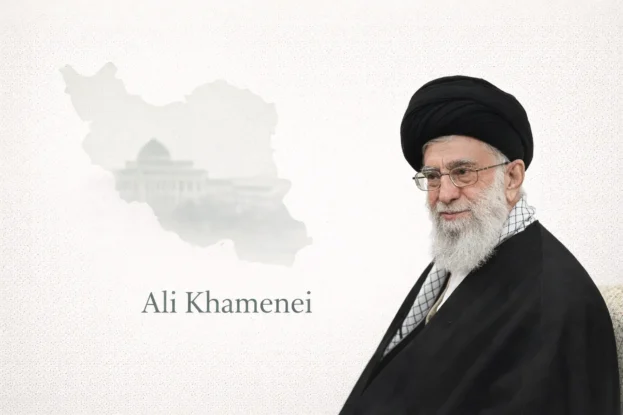
The military action and its aftermath will likely influence Middle Eastern geopolitics in the coming months. Analysts suggest shifts in regional alliances and internal Iranian politics could follow as Iran navigates post-Khamenei leadership dynamics.
Khamenei’s Decades of Leadership
Khamenei’s long rule was complex, shaped by ideological commitment and political strategy. Once seen initially as a less charismatic successor to Ayatollah Khomeini, he consolidated power and became one of the most prominent figures in modern Iranian history.
His legacy includes deep impacts on Iran’s governance, society, military positioning, and global relations. As Iran moves forward after his death, his decades of influence will continue to be studied by historians and policymakers alike.