



World Cancer Day is observed every year on February 4 to raise awareness about cancer prevention, care, and survival. In 2026, the day marks its 26th edition and continues to unite people across the world around shared goals.
The global theme “United by Unique” highlights that while cancer affects millions, every person’s journey and needs are different. This year’s focus encourages people to personalize prevention and care through simple, daily lifestyle choices.
Why Daily Habits Matter in Cancer Prevention
Health experts agree that nearly 30 to 50 percent of cancers are preventable through lifestyle changes. Small actions done consistently can lower exposure to known cancer risk factors.

World Cancer Day 2026 messages strongly promote habit-based prevention that fits into real lives. Instead of fear, the focus is on empowerment and long-term health.
World Cancer Day 2026: 10 Daily Habits to Reduce Cancer Risk
| No. | Daily Habit | How It Helps Reduce Cancer Risk |
|---|---|---|
| 1 | Quit tobacco in all forms | Lowers risk of lung, oral, throat, and several other cancers |
| 2 | Eat more fruits and vegetables | Provides antioxidants and fiber that protect cells |
| 3 | Exercise for 30 minutes daily | Helps control weight and strengthens immunity |
| 4 | Maintain a healthy body weight | Reduces risk of breast, colorectal, and metabolic cancers |
| 5 | Limit or avoid alcohol | Lowers risk of liver, breast, and digestive cancers |
| 6 | Protect skin from sun exposure | Prevents skin damage and skin cancer |
| 7 | Get vaccinated (HPV, Hep B) | Prevents virus-related cancers |
| 8 | Manage stress and sleep well | Supports immune function and cell repair |
| 9 | Go for regular health screenings | Enables early detection and better outcomes |
| 10 | Choose whole foods over processed foods | Lowers the risk of lung, oral, throat, and several other cancers |
1. Quit Tobacco in All Forms
Avoiding tobacco is the single most powerful step to reduce cancer risk. Smoking and smokeless tobacco are linked to cancers of the lung, mouth, throat, and several other organs.
In countries like India, tobacco-related oral cancer is a major concern. Quitting today can improve health at any age and reduce risk over time.
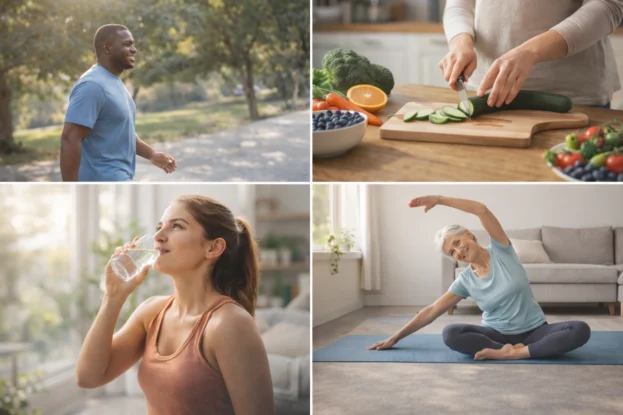
2. Eat More Fruits and Vegetables Every Day
A diet rich in fruits and vegetables provides vitamins, fiber, and antioxidants that support the body’s natural defense system. Whole foods help protect against digestive and lifestyle-related cancers.
Try filling half your plate with colorful vegetables and seasonal fruits. Simple home-cooked meals are often healthier than packaged or fast foods.
3. Move Your Body for at Least 30 Minutes
Regular physical activity helps control weight and strengthen immunity. Even moderate exercise like walking, cycling, or yoga can reduce cancer risk.
You do not need intense workouts to see benefits. Consistent daily movement matters more than perfection.
4. Maintain a Healthy Body Weight
Being overweight or obese increases the risk of several cancers, including breast and colorectal cancer. Balanced eating and regular activity help manage weight naturally.
Focus on long-term habits rather than quick fixes. A healthy weight supports overall well-being beyond cancer prevention.
5. Limit or Avoid Alcohol
Alcohol consumption is linked to cancers of the liver, breast, mouth, and digestive system. The risk increases with the amount and frequency of drinking.
Many health experts recommend avoiding alcohol altogether or keeping intake very low. Choosing non-alcoholic options can be a positive daily swap.
6. Protect Your Skin From the Sun
Excessive sun exposure can lead to skin cancer. Using sunscreen with SPF 30 or higher and wearing protective clothing helps reduce risk.
Avoid tanning beds and try to stay in the shade during peak sunlight hours. Sun safety is important for both adults and children.
7. Get Vaccinated Against Cancer-Causing Viruses
Vaccinations can prevent infections that are linked to cancer. The HPV vaccine helps prevent cervical and other cancers, while the Hepatitis B vaccine protects the liver.
These vaccines are safe, effective, and widely recommended by health authorities. Timely vaccination is a simple step with long-term benefits.
8. Manage Stress and Prioritize Quality Sleep
Chronic stress and poor sleep can weaken the immune system. Healthy sleep patterns support the body’s ability to repair and regulate itself.
Practices like meditation, breathing exercises, and yoga can help manage daily stress. Aim for seven to eight hours of restful sleep each night.
9. Go for Regular Health Screenings
Early detection saves lives. Cancer screenings help find disease at an early stage when treatment is more effective.
Consult a doctor to understand which screenings are suitable for your age and risk profile. Regular check-ups are an important part of preventive care.
10. Choose Whole Foods Over Processed Foods
Highly processed foods often contain excess sugar, salt, and unhealthy fats. These foods are linked to obesity and increased cancer risk.
Choose whole grains, beans, nuts, and fresh foods whenever possible. Small food swaps can make a big difference over time.
How “United by Unique” Shapes Prevention
The “United by Unique” theme reminds us that prevention is not one-size-fits-all. Cultural habits, access to care, and personal health histories all matter.
World Cancer Day 2026 encourages people to choose habits that fit their lifestyle while staying grounded in scientific evidence.
Also Read: 5 Common Water Drinks That You Can Consume Every Morning on an Empty Stomach
Global and Local Actions on World Cancer Day
Across the world, hospitals, communities, and organizations are hosting awareness events, health camps, and digital campaigns. The Upside Down Challenge invites people to share positive habit changes on social media.
In India, the focus remains on early screening, tobacco control, and family-centered prevention. These actions help reduce stigma and improve long-term outcomes.
Final Thoughts on Flipping Cancer Risk
Cancer prevention begins with everyday choices. Simple habits, practiced consistently, can lower risk and improve quality of life.
On World Cancer Day 2026, the message is clear: small steps today can lead to healthier tomorrows. By being united in purpose and unique in action, everyone can be part of the solution.